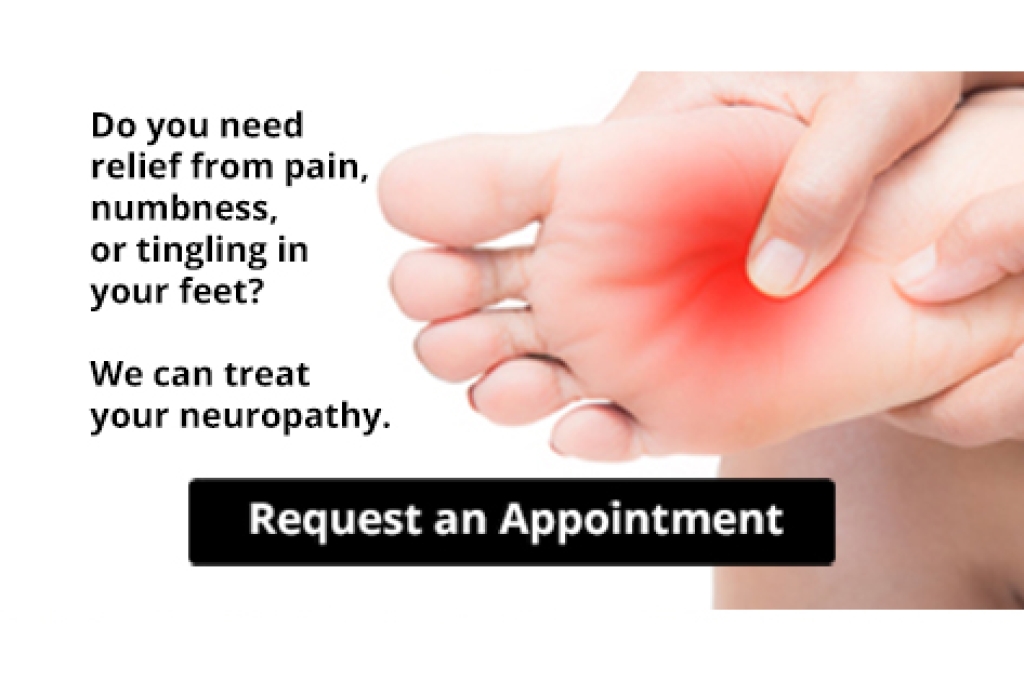
Neuropathy is a condition that can lead to numbness or loss of sensation in the feet, but it can also cause pain. This condition is more likely to develop for those who are diabetic, obese, or with high blood pressure.
Neuropathy is a condition that can lead to numbness or loss of sensation in the feet, but it can also cause pain. This condition is more likely to develop for those who are diabetic, obese, or with high blood pressure.
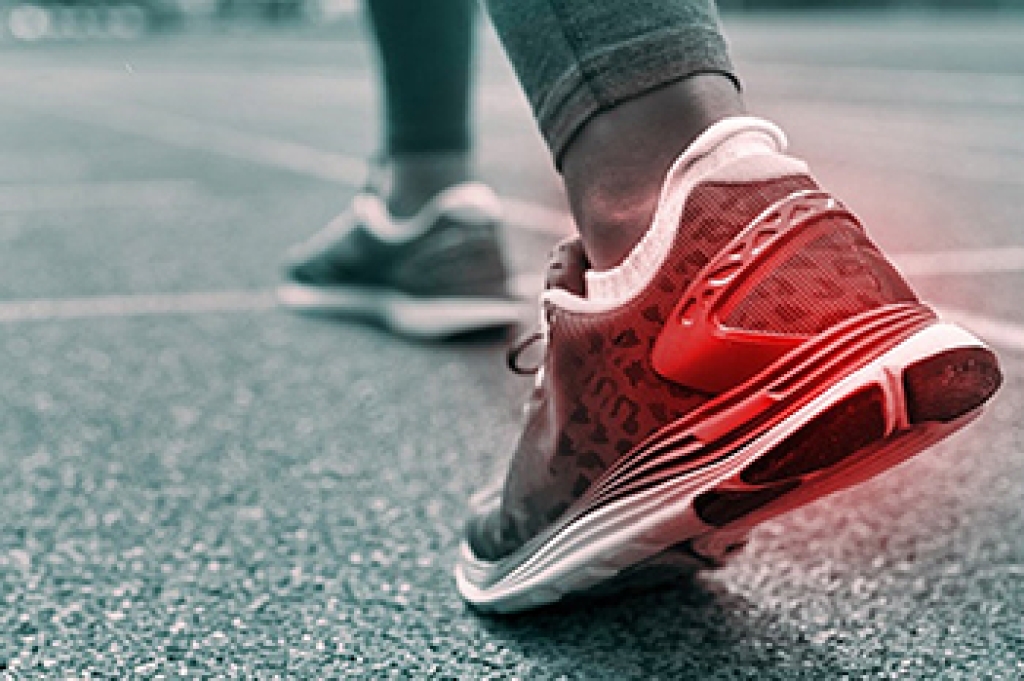
Running shoes are more than a comfort choice. The right pair supports your feet while matching your running style and surface. Wearing shoes that do not fit properly or match your activity can contribute to foot and ankle injuries. Common problems include blisters, arch pain, and stress injuries. Symptoms may begin as soreness after running and become persistent. Runners who increase mileage quickly or have foot mechanics concerns may face greater risk. Worn-out shoes can reduce cushioning and stability.
Choosing running shoes starts with considering where you run. Paved paths are firm, so road-running shoes with cushioning and a stable base can provide suitable support. Hard-packed dirt requires traction and durable construction. Trail-running shoes are designed for uneven terrain and offer traction, protection, and stability. Additionally, cross-training shoes work well for gym workouts involving lateral movement or strength exercises, but they may not provide enough cushioning for distance running. A proper fit should allow comfortable toe movement without heel slipping.
If pain develops, a podiatrist can evaluate your feet, shoes, and walking pattern. Treatment depends on the injury and may include activity modification, wearing supportive footwear, or targeted care. The podiatrist may recommend replacing worn shoes and adjusting training surfaces. A gradual return can help symptoms improve. For significant injuries, diagnostic imaging may determine whether a tendon, ligament, or joint has been affected. Early evaluation can prevent a problem from becoming longer lasting.
The best running shoe should match your foot needs, training activities, and surface. Pay attention to comfort, fit, and signs of wear. Replace shoes when support declines rather than waiting for pain. If foot or ankle pain develops while wearing the wrong running shoes, it is suggested that you consult a podiatrist for effective relief tips, and additional guidance on how to choose running shoes that are right for you.
If you are a runner, wearing the right running shoe is essential. For more information, contact Keleigh Muxlow, DPM from Colorado. Our doctor can provide the care you need to keep you pain-free and on your feet.
Choosing the Right Running Shoe for Your Foot Type
To increase performance and avoid the risk of injury, it is important to choose the right running shoe based on your foot type. The general design of running shoes revolves around pronation, which is how the ankle rolls from outside to inside when the foot strikes the ground.
If you have any questions, please feel free to contact our office located in Littleton, CO . We offer the newest diagnostic and treatment technologies for all your foot care needs.

Shoes that fit correctly can protect the feet. Poorly-fitting shoes can cause blisters, corns, and calluses. They can also create added pressure and contribute to pain in the heels or arches. Since foot size and shape can change with age, relying on an old measurement may lead to the wrong fit. Both feet should be measured while standing, preferably later in the day when swelling is more likely. Length, width, and arch length matter.
Shoe sizes vary between brands, so the number on the box may only be a guide. Shoes should fit the larger foot, because one foot is frequently bigger. Experts suggest leaving about half an inch between the longest toe and the front of the shoe. The toe box should be wide enough for the toes to move without rubbing or feeling squeezed. Walk around to check for heel slipping, pressure, or pinching. A suitable shoe should feel comfortable right away and bend near the ball of the foot, where the toes naturally bend. Laces or adjustable straps can help hold the foot securely.
When pain continues or a foot condition makes buying shoes difficult, a podiatrist can evaluate shoe fit. The examination includes checking foot shape, joint movement, and pressure points. A podiatrist can determine whether the shoe provides enough support for the patient’s activity and foot structure. Recommendations can address heel height, cushioning, and toe-box space. For patients with diabetes, nerve damage, or a history of sores, careful fitting is important because rubbing may go unnoticed. Custom orthotics can improve pressure distribution when standard shoe support is not enough. A podiatrist can recommend specialty shoes or modifications to accommodate a bunion, hammertoe, or difference in foot size. If you have foot pain that may be related to your shoes, it is suggested that you schedule an appointment with a podiatrist for relief tips, and helpful guidance on how to choose shoes that fit properly.
Getting the right shoe size is an important part of proper foot health. Seek the assistance of Keleigh Muxlow, DPM from Colorado. Our doctor will provide the care you need to keep you pain-free and on your feet.
Getting the Right Shoe Size
There are many people who wear shoes that are the incorrect size, negatively affecting their feet and posture. Selecting the right shoes is not a difficult process, so long as you keep several things in mind when it comes to choosing the right pair.
As our feet hold our body weight and keep us moving, it is important to treat them right. Picking the right pair of shoes can provide your feet comfort and mobility without pain.
If you have any questions, please feel free to contact our office located in Littleton, CO . We offer the newest diagnostic and treatment technologies for all your foot care needs.
Connect With Us
