Constant care and regular evaluation are important for a foot or ankle fracture. If left untreated, foot or ankle fractures can worsen over time and create more serious problems.
Don't wait to be examined if you believe you've experienced a foot or ankle fracture.
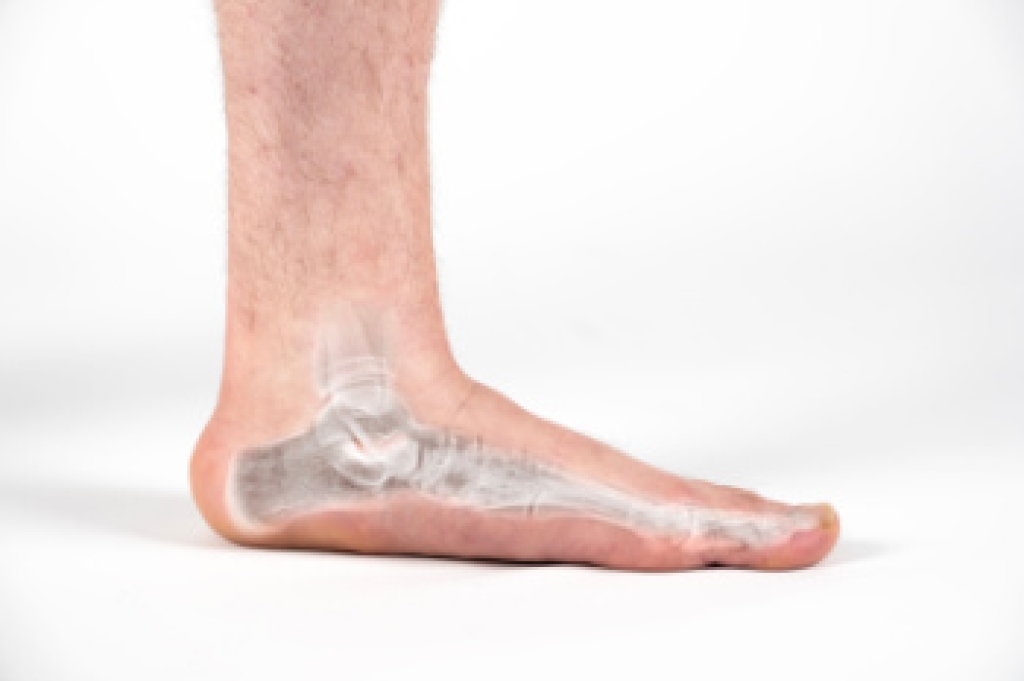
Flat feet develop when the arches of the feet are low or absent, allowing more of the soles to touch the ground. The arch normally helps distribute body weight and supports movement during walking.In young children, flat feet are often a normal part of growth as their arches take shape. Many children develop visible arches as they grow, while others continue to have flat feet into adulthood. Some adults develop flat feet later in life when the structures supporting the arch weaken. Although flat feet do not always cause problems, changes in foot alignment may place additional strain on nearby muscles and joints. Arch structure helps explain why symptoms vary.
Symptoms of flat feet depend on the degree of arch flattening and how the feet respond to activity. Some individuals notice aching along the inside of the foot or around the ankle, especially after extended periods of standing. Others experience tired feet or discomfort that becomes more noticeable during walking. When the arch drops, the heel may tilt outward, changing how weight moves across the foot. This altered alignment may affect the way a person walks and place added stress on surrounding tissues. Flat feet occur in one foot or both, and symptoms sometimes become more noticeable over time. Not every low arch requires treatment, when movement is comfortable. However, persistent discomfort, swelling, or changes in foot shape deserve attention. Identifying whether the arch remains flexible or becomes stiff is an important part of understanding the problem.
A podiatrist evaluates flat feet by examining foot alignment, arch flexibility, and walking patterns. The examination will include observing how the arches change when a person stands or rises onto the toes. These findings help identify sources of pain. When treatment is appropriate, podiatric care involves supportive footwear recommendations or custom orthotics designed to improve comfort and distribute pressure more evenly. A podiatrist may also recommend guided exercises to support foot function, depending on the individual's needs. Treatment focuses on symptoms and movement rather than simply changing the appearance of the arch. An evaluation is useful when foot shape or comfort changes. If you are experiencing painful flat feet or changes in your arches, it is suggested that you consult a podiatrist for an evaluation and appropriate treatment options.
Flatfoot is a condition many people suffer from. If you have flat feet, contact Keleigh Muxlow, DPM from Colorado. Our doctor will treat your foot and ankle needs.
What Are Flat Feet?
Flatfoot is a condition in which the arch of the foot is depressed and the sole of the foot is almost completely in contact with the ground. About 20-30% of the population generally has flat feet because their arches never formed during growth.
Conditions & Problems:
Having flat feet makes it difficult to run or walk because of the stress placed on the ankles.
Alignment – The general alignment of your legs can be disrupted, because the ankles move inward which can cause major discomfort.
Knees – If you have complications with your knees, flat feet can be a contributor to arthritis in that area.
Symptoms
Pain around the heel or arch area
Trouble standing on the tip toe
Swelling around the inside of the ankle
Flat look to one or both feet
Having your shoes feel uneven when worn
Treatment
If you are experiencing pain and stress on the foot you may weaken the posterior tibial tendon, which runs around the inside of the ankle.
If you have any questions, please feel free to contact our office located in Littleton, CO. We offer the newest diagnostic and treatment technologies for all your foot care needs.
Children’s foot health is important for young athletes because foot pain can develop in almost any sport. Activities that involve running can place repeated stress on the feet, but injuries may also happen suddenly. Acute foot injuries include fractures, sprains, and bruises, which can cause immediate pain and loss of normal function. Other problems develop gradually. Stress fractures and tendonitis may begin as nagging discomfort that becomes worse without one obvious injury. Since a child’s foot contains bones, ligaments, tendons, and other soft tissues, several structures can be responsible for pain.
Some signs of a foot injury deserve prompt medical evaluation. A suspected fracture should be examined immediately, especially after a severe injury. Changes in movement, sensation, or blood flow beyond the injured area also require medical attention. When foot pain does not improve and a child develops swelling, limping, or difficulty with normal activities, an evaluation can help rule out a more serious injury. Diagnosing the problem usually involves questions about when the pain began and where it hurts. A podiatrist may examine the foot and use X-rays when needed. Other imaging tests can sometimes provide additional information.
A podiatrist can evaluate foot pain in children to identify the injured area. Treatment depends on the specific diagnosis because different foot injuries require different approaches. This foot doctor can assess how the injury affects movement and determine whether imaging or further care is needed. Returning to sports should be based on comfortable movement rather than pain alone. Properly fitting athletic shoes can also play an important role in supporting children’s foot health during activity. Ongoing pain can interfere with sports and everyday movement, so persistent symptoms require professional attention. If your child has foot pain, swelling, or difficulty walking after activity or an injury, it is suggested that you consult a podiatrist for an evaluation and appropriate treatment options.
Making sure that your children maintain good foot health is very important as they grow. If you have any questions, contact Keleigh Muxlow, DPM of Colorado. Our doctor can provide the care you need to keep you pain-free and on your feet.
Keeping Children's Feet Healthy
Having healthy feet during childhood can help prevent medical problems later in life, namely in the back and legs. As children grow, their feet require different types of care. Here are some things to consider...
Although babies do not walk yet, it is still very important to take care of their feet.
Avoid putting tight shoes or socks on his or her feet.
Allow the baby to stretch and kick his or her feet to feel comfortable.
As a toddler, kids are now on the move and begin to develop differently. At this age, toddlers are getting a feel for walking, so don’t be alarmed if your toddler is unsteady or ‘walks funny’.
As your child gets older, it is important to teach them how to take care of their feet.
Show them proper hygiene to prevent infections such as fungus.
Be watchful for any pain or injury.
Have all injuries checked by a doctor as soon as possible.
Comfortable, protective shoes should always be worn, especially at play.
If you have any questions, please feel free to contact our office located in Littleton, CO. We offer the newest diagnostic and treatment technologies for all your foot care needs.