When the Feet Begin to Swell

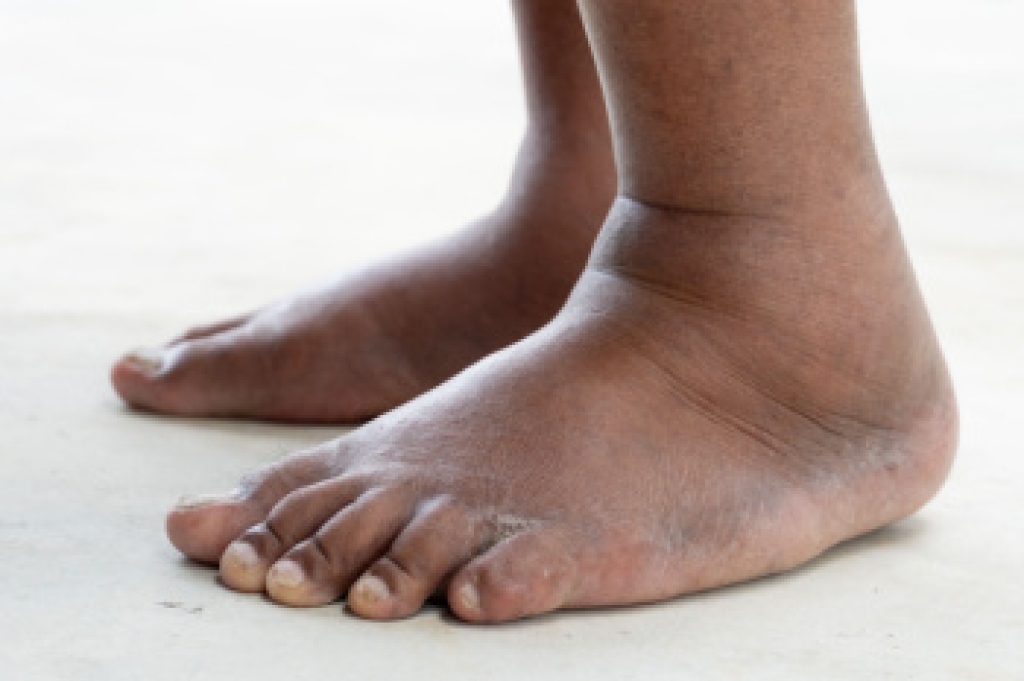
Swelling of the feet, also known as edema, occurs when excess fluid collects in the tissues. It is often caused by prolonged standing or sitting, injury, pregnancy, or underlying medical conditions, such as heart, kidney, or circulation problems. Symptoms include puffiness or tightness and discomfort that worsens as the day progresses. The feet may look enlarged or shiny, and pressing on the skin can leave a temporary indentation. Swelling can feel achy, stiff, or tender, and may limit mobility or make shoes feel tight. A podiatrist can help by starting with a detailed evaluation of the feet, circulation, and medical history, sometimes using diagnostic testing to determine the cause. Treatment may include lifestyle modifications, compression support, targeted exercises to improve circulation, and management of contributing conditions. Early care helps prevent complications and maintains foot health. If you have swollen feet, it is suggested that you schedule an appointment with a podiatrist for effective relief and management tips.

Swollen feet can be a sign of an underlying condition. If you have any concerns, contact Keleigh Muxlow, DPM of Colorado. Our doctor can provide the care you need to keep you pain-free and on your feet.

Swollen feet are a common ailment among pregnant women and people who stand or sit for extended periods. Aging may increase the possibility of swollen feet and patients who are obese often notice when their feet are swelling too. There may be medical reasons why swollen feet occur:

  • Phlebitis - A condition that causes the veins to become inflamed and can also cause leg pain.
  • Liver disease - This may lead to low blood levels of albumin which is a protein. This can cause fluid in the blood to pass into the tissues and several areas of the body can become swollen.
  • Heart failure - When the heart doesn’t pump properly the blood that is normally pumped back to the heart can pool in the veins of the legs causing swollen feet.
  • Kidney disease - One of the main functions of the kidneys is releasing excess fluid in the body. This type of condition can make it difficult for the kidneys to function properly, and as a result the feet may become swollen.
  • Deep-vein thrombosis (DVT)- This is a serious condition where blood clots form in the veins of the legs. They can block the return of blood from the legs to the heart which may cause the feet to swell. It is important to be treated by a podiatrist if this condition is present.

Swollen feet can also be caused by bone and tendon conditions, including fractures, arthritis, and tendinitis. Additionally, there may be skin and toenail conditions and an infection may cause the feet to swell. Patients who take medicine to treat high blood pressure may be prone to getting swollen feet. 

Many patients elevate their feet to help relieve the swelling and this is generally a temporary remedy. When a podiatrist is consulted the reason behind the swelling can be uncovered and subsequently treated.

If you have any questions please contact our office located in Littleton, CO . We offer the newest diagnostic and treatment technologies for all your foot and ankle needs.

Read more about Swelling of the Feet

Foot Anatomy and How It Supports Your Body

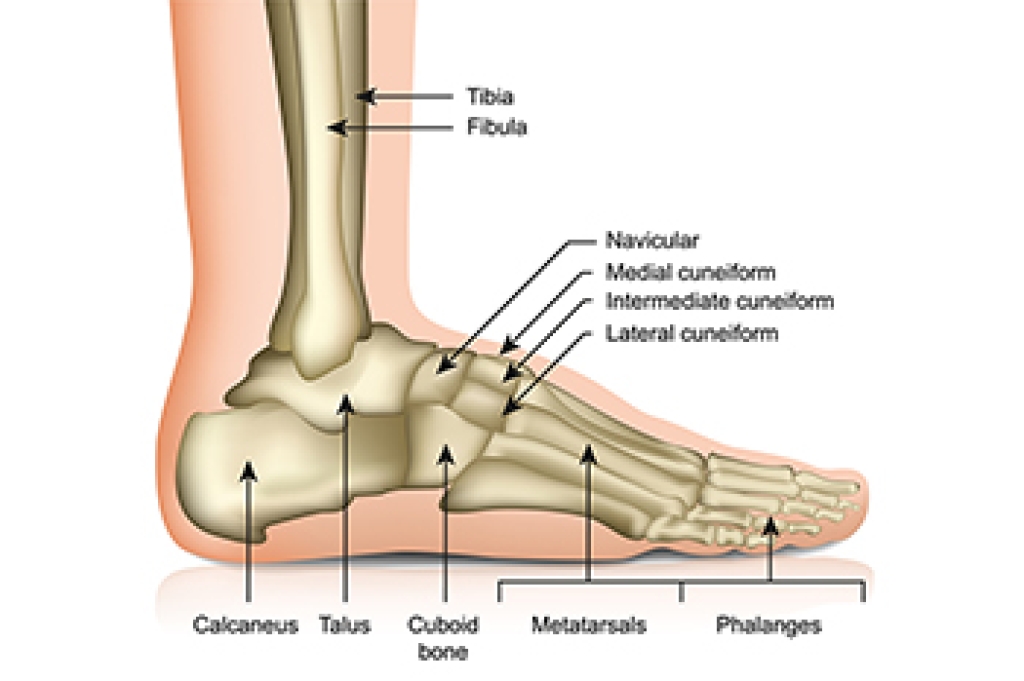
The complex structure of the foot is designed to support body weight and allow smooth movement while standing and walking. It contains 26 bones that work together to provide strength, balance, and flexibility. The tarsal bones form the rearfoot and ankle, creating a stable foundation, and help to absorb impact. The metatarsals make up the midfoot and act as supportive beams that distribute weight across the foot during standing and motion. Additionally, the phalanges are the toe bones, which assist with balance and push off during walking. When these bones are not functioning properly, pain and instability can occur. A podiatrist can evaluate foot anatomy, diagnose problems, and create treatment plans to restore proper function. If you have foot pain, it is suggested that you consult a podiatrist who can provide an accurate diagnosis and proper treatment.

If you have any concerns about your feet, contact Keleigh Muxlow, DPM from Colorado. Our doctor can provide the care you need to keep you pain-free and on your feet.

Biomechanics in Podiatry

Podiatric biomechanics is a particular sector of specialty podiatry with licensed practitioners who are trained to diagnose and treat conditions affecting the foot, ankle and lower leg. Biomechanics deals with the forces that act against the body, causing an interference with the biological structures. It focuses on the movement of the ankle, the foot and the forces that interact with them.

A History of Biomechanics

  • Biomechanics dates back to the BC era in Egypt where evidence of professional foot care has been recorded.
  • In 1974, biomechanics gained a higher profile from the studies of Merton Root, who claimed that by changing or controlling the forces between the ankle and the foot, corrections or conditions could be implemented to gain strength and coordination in the area.

Modern technological improvements are based on past theories and therapeutic processes that provide a better understanding of podiatric concepts for biomechanics. Computers can provide accurate information about the forces and patterns of the feet and lower legs.

Understanding biomechanics of the feet can help improve and eliminate pain, stopping further stress to the foot.

If you have any questions please feel free to contact our office located in Littleton, CO . We offer the newest diagnostic and treatment technologies for all your foot and ankle needs.
Read more about The Importance of Biomechanics in Podiatry

Heel Pain Can Be Treated!

Do you suffer from heel pain when you get up in the morning? If so, you should seek professional help and have a proper diagnosis performed. Heel pain can be caused by several different foot-related conditions.

When Ingrown Toenail Surgery Brings Lasting Relief

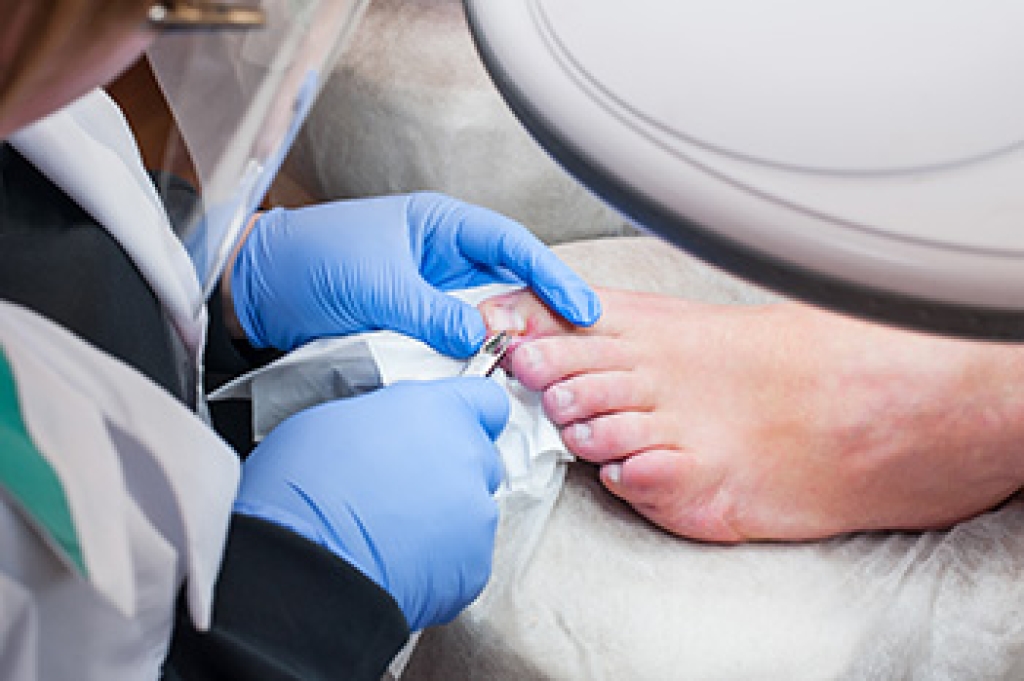
Ingrown toenails occur when the edge of the nail grows into surrounding skin, causing pain, swelling, and redness. Conservative care may help early cases, but ongoing infections or repeated flare-ups often require a minor surgical procedure. Ingrown toenail surgery is performed in the office using local anesthesia. The problematic portion of the nail is carefully removed, and the nail root may be treated to prevent regrowth. This approach reduces pain and lowers the chance of recurrence. Recovery is usually quick, with most patients returning to normal activities within days. Keeping the area clean and following aftercare instructions supports proper healing. If an ingrown toenail keeps returning, becomes infected, or interferes with daily comfort, it is suggested that you see a podiatrist for a proper diagnosis and appropriate treatment, which may include minor surgery.

Foot surgery is sometimes necessary to treat a foot ailment. To learn more, contact Keleigh Muxlow, DPM of Colorado. Our doctor will assist you with all of your foot and ankle needs.

When Is Surgery Necessary?

Foot and ankle surgery is generally reserved for cases in which less invasive, conservative procedures have failed to alleviate the problem. Some of the cases in which surgery may be necessary include:

  • Removing foot deformities like bunions and bone spurs
  • Severe arthritis that has caused bone issues
  • Cosmetic reconstruction

What Types of Surgery Are There?

The type of surgery you receive will depend on the nature of the problem you have. Some of the possible surgeries include:

  • Bunionectomy for painful bunions
  • Surgical fusion for realignment of bones
  • Neuropathy decompression surgery to treat nerve damage

Benefits of Surgery

Although surgery is usually a last resort, it can provide more complete pain relief compared to non-surgical methods and may allow you to finally resume full activity.

Surgical techniques have also become increasingly sophisticated. Techniques like endoscopic surgery allow for smaller incisions and faster recovery times.

If you have any questions, please feel free to contact our office located in Littleton, CO . We offer the newest diagnostic and treatment technologies for all your foot care needs.

Read more about Foot and Ankle Surgery

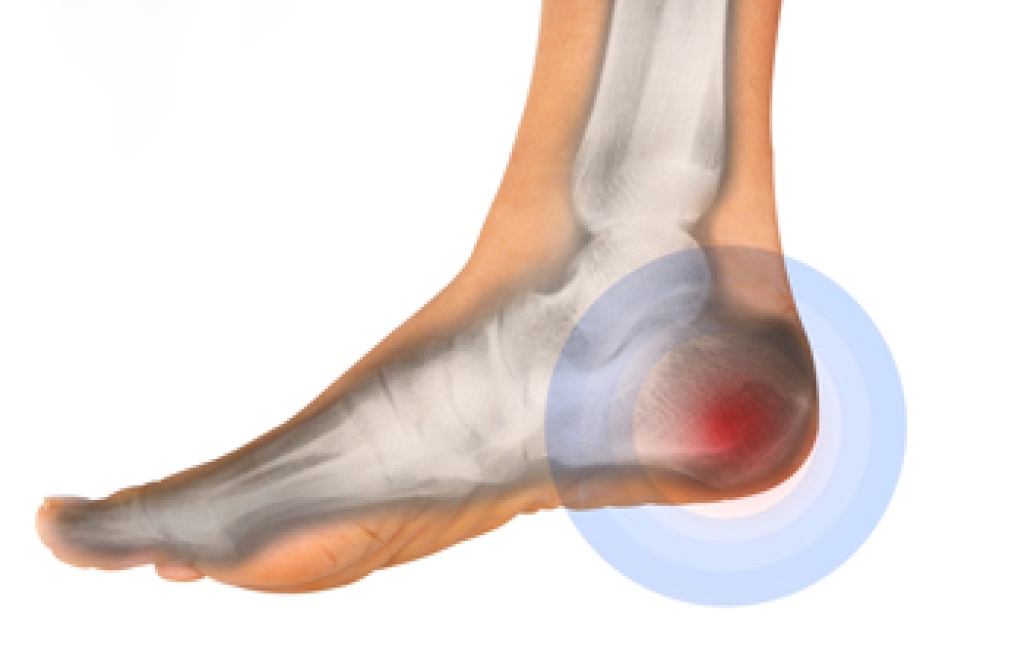
Causes of a Bruised Heel Bone

A bruised heel bone happens when it absorbs excessive force that overwhelms the natural cushioning protecting it while walking and standing. This type of injury often develops after repetitive impact from running, jumping, or spending long hours on hard surfaces. It can also result from a sudden hard landing on the heel. Risk factors include changes in activity level, reduced shock absorption in footwear, increased body weight, and age-related thinning of the heel pad. Symptoms include deep heel soreness, tenderness with pressure, and pain that intensifies with weight bearing. A podiatrist can determine whether the pain is caused by a bruise or another condition, assess foot mechanics, and identify factors that increase heel stress. Treatment may include protective strategies, supportive devices, and a structured plan to reduce pressure on the heel. If you feel pain in your heel bone, it is suggested that you make an appointment with a podiatrist for an exam, diagnosis, and treatment.

Many people suffer from bouts of heel pain. For more information, contact Keleigh Muxlow, DPM of Colorado. Our doctor can provide the care you need to keep you pain-free and on your feet.

Causes of Heel Pain

Heel pain is often associated with plantar fasciitis. The plantar fascia is a band of tissues that extends along the bottom of the foot. A rip or tear in this ligament can cause inflammation of the tissue.

Achilles tendonitis is another cause of heel pain. Inflammation of the Achilles tendon will cause pain from fractures and muscle tearing. Lack of flexibility is also another symptom.

Heel spurs are another cause of pain. When the tissues of the plantar fascia undergo a great deal of stress, it can lead to ligament separation from the heel bone, causing heel spurs.

Why Might Heel Pain Occur?

  • Wearing ill-fitting shoes                
  • Wearing non-supportive shoes
  • Weight change           
  • Excessive running

Treatments

Heel pain should be treated as soon as possible for immediate results. Keeping your feet in a stress-free environment will help. If you suffer from Achilles tendonitis or plantar fasciitis, applying ice will reduce the swelling. Stretching before an exercise like running will help the muscles. Using all these tips will help make heel pain a condition of the past.

If you have any questions, please feel free to contact our office located in Littleton, CO . We offer the newest diagnostic and treatment technologies for all your foot care needs.

Read more about Heel Pain

Connect With Us

scroll to top