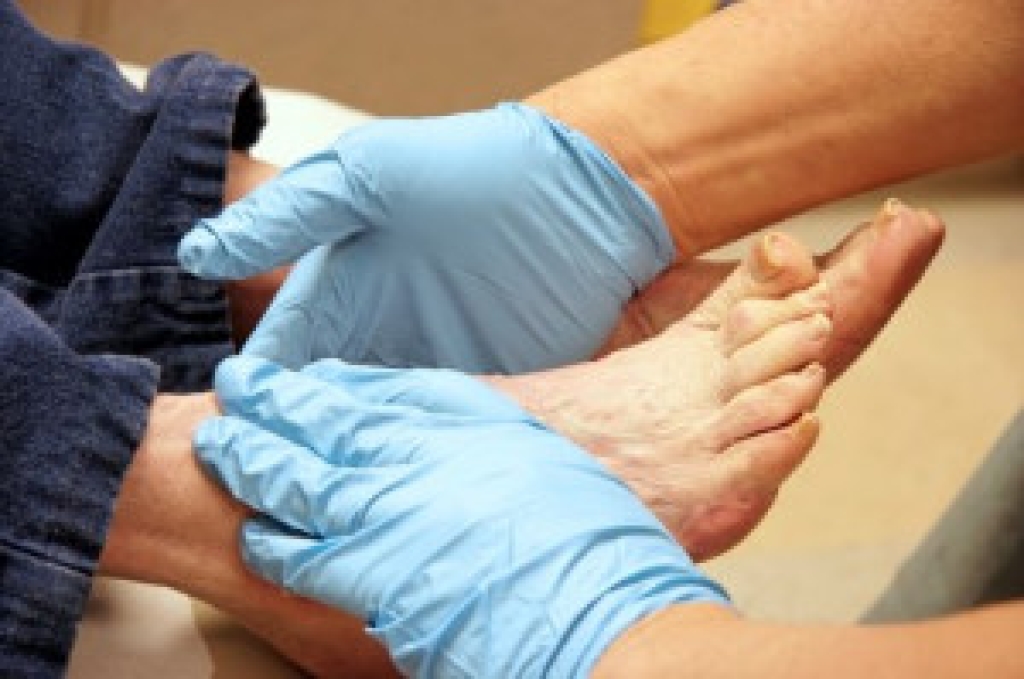
Hidden Damage From Diabetes

Diabetic foot disease refers to a group of serious foot problems that develop when diabetes affects circulation, nerve function, and the body’s ability to heal properly. Reduced feeling in the feet may prevent people from noticing cuts, blisters, pressure sores, or injuries before they become severe. Poor blood flow can also slow healing and increase the risk of infection. Many patients first notice numbness, tingling, swelling, skin discoloration, or changes in foot shape. Without treatment, these problems may lead to deep infections, tissue damage, or ulcers, which are open sores that can become difficult to heal. A podiatrist can examine the feet for early warning signs, evaluate circulation and nerve function, treat wounds, and help reduce pressure that contributes to skin breakdown. Ongoing diabetic foot care may lower the risk of serious complications and improve long-term foot health. If you have diabetes and notice changes in your feet, it is strongly suggested that you visit a podiatrist for care.

Diabetic foot care is important in preventing foot ailments such as ulcers. If you are suffering from diabetes or have any other concerns about your feet, contact Keleigh Muxlow, DPM from Colorado. Our doctor can provide the care you need to keep you pain-free and on your feet.

Diabetic Foot Care

Diabetes affects millions of people every year. The condition can damage blood vessels in many parts of the body, especially the feet. Because of this, taking care of your feet is essential if you have diabetes, and having a podiatrist help monitor your foot health is highly recommended.

The Importance of Caring for Your Feet

  • Routinely inspect your feet for bruises or sores.
  • Wear socks that fit your feet comfortably.
  • Wear comfortable shoes that provide adequate support.

Patients with diabetes should have their doctor monitor their blood levels, as blood sugar levels play such a huge role in diabetic care. Monitoring these levels on a regular basis is highly advised.

It is always best to inform your healthcare professional of any concerns you may have regarding your feet, especially for diabetic patients. Early treatment and routine foot examinations are keys to maintaining proper health, especially because severe complications can arise if proper treatment is not applied.

If you have any questions, please feel free to contact our office located in Littleton, CO . We offer the newest diagnostic and treatment technologies for all your foot care needs.


Read more about Diabetic Foot Conditions

Why Feet Become Swollen

Swollen feet can develop for many reasons and may affect comfort and mobility throughout the day. Foot injuries such as sprains or strains can lead to localized swelling and tenderness. Edema, which is the buildup of fluid in the tissues, is another common cause and may be related to circulation issues or underlying health concerns. Lifestyle factors like sitting for long periods of time or standing all day can place added pressure on the feet. Pregnancy may also contribute due to increased fluid retention and changes in circulation. Risk factors include poor circulation, wearing improper footwear, and certain medical conditions. A podiatrist can evaluate the cause, recommend treatment, and provide guidance to reduce swelling. If your feet and ankles are consistently swollen, it is suggested that you consult a podiatrist who can offer effective relief and treatment solutions.

Swollen feet can be a sign of an underlying condition. If you have any concerns, contact Keleigh Muxlow, DPM of Colorado. Our doctor can provide the care you need to keep you pain-free and on your feet.

Swollen feet are a common ailment among pregnant women and people who stand or sit for extended periods. Aging may increase the possibility of swollen feet and patients who are obese often notice when their feet are swelling too. There may be medical reasons why swollen feet occur:

  • Phlebitis - A condition that causes the veins to become inflamed and can also cause leg pain.
  • Liver disease - This may lead to low blood levels of albumin which is a protein. This can cause fluid in the blood to pass into the tissues and several areas of the body can become swollen.
  • Heart failure - When the heart doesn’t pump properly the blood that is normally pumped back to the heart can pool in the veins of the legs causing swollen feet.
  • Kidney disease - One of the main functions of the kidneys is releasing excess fluid in the body. This type of condition can make it difficult for the kidneys to function properly, and as a result the feet may become swollen.
  • Deep-vein thrombosis (DVT)- This is a serious condition where blood clots form in the veins of the legs. They can block the return of blood from the legs to the heart which may cause the feet to swell. It is important to be treated by a podiatrist if this condition is present.

Swollen feet can also be caused by bone and tendon conditions, including fractures, arthritis, and tendinitis. Additionally, there may be skin and toenail conditions and an infection may cause the feet to swell. Patients who take medicine to treat high blood pressure may be prone to getting swollen feet. 

Many patients elevate their feet to help relieve the swelling and this is generally a temporary remedy. When a podiatrist is consulted the reason behind the swelling can be uncovered and subsequently treated.

If you have any questions please contact our office located in Littleton, CO . We offer the newest diagnostic and treatment technologies for all your foot and ankle needs.

Read more about Swelling of the Feet

Why Live with Pain and Numbness in Your Feet?

Suffering from this type of pain? You may have the foot condition known as Morton's neuroma. Morton's neuroma may develop as a result of ill-fitting footwear and existing foot deformities. We can help.

Protecting Diabetic Feet From Infection

Foot infections are fairly common in people with diabetes, and they often begin after a minor injury that might seem harmless. When not treated early, these infections can lead to serious complications, including hospital stays and even limb loss. Prevention matters most for those with wounds that are slow to heal, deep, return, or occur alongside poor circulation. Careful daily checks for cuts or blisters, prompt cleaning and protection of any break in the skin, and wearing well-fitting footwear can lower the risk. Managing blood sugar also supports healing and reduces infection chances. If you notice redness, warmth, drainage, or increasing pain, seek care right away. For guidance and treatment, it is suggested that you visit a podiatrist for an expert evaluation and appropriate care.

Wound care is an important part in dealing with diabetes. If you have diabetes and a foot wound or would like more information about wound care for diabetics, consult with Keleigh Muxlow, DPM from Colorado. Our doctor will assess your condition and provide you with quality foot and ankle treatment.

What Is Wound Care?

Wound care is the practice of taking proper care of a wound. This can range from the smallest to the largest of wounds. While everyone can benefit from proper wound care, it is much more important for diabetics. Diabetics often suffer from poor blood circulation which causes wounds to heal much slower than they would in a non-diabetic. 

What Is the Importance of Wound Care?

While it may not seem apparent with small ulcers on the foot, for diabetics, any size ulcer can become infected. Diabetics often also suffer from neuropathy, or nerve loss. This means they might not even feel when they have an ulcer on their foot. If the wound becomes severely infected, amputation may be necessary. Therefore, it is of the upmost importance to properly care for any and all foot wounds.

How to Care for Wounds

The best way to care for foot wounds is to prevent them. For diabetics, this means daily inspections of the feet for any signs of abnormalities or ulcers. It is also recommended to see a podiatrist several times a year for a foot inspection. If you do have an ulcer, run the wound under water to clear dirt from the wound; then apply antibiotic ointment to the wound and cover with a bandage. Bandages should be changed daily and keeping pressure off the wound is smart. It is advised to see a podiatrist, who can keep an eye on it.

If you have any questions please contact our office located in Littleton, CO . We offer the newest diagnostic and treatment technologies for all your foot and ankle needs.

Read more about Wound Care

Types and Grades of Ankle Sprains

An ankle sprain occurs when the ligaments, which are strong bands that connect bones, are stretched or torn after the ankle twists beyond its normal range. There are three main types of ankle sprains based on how the injury happens. The most common is an inversion sprain, where the foot rolls inward and stresses the outer ligaments. An eversion sprain occurs when the foot turns outward, affecting the inner ligaments. A high ankle sprain involves the ligaments above the ankle that connect the lower leg bones. Sprains are also graded by severity. A Grade 1 sprain involves mild stretching with slight pain and swelling. A Grade 2 sprain includes a partial tear, leading to more swelling, bruising, and limited movement. A Grade 3 sprain is a complete tear, often causing severe pain and instability. A podiatrist can assess the injury, order imaging, and guide proper treatment. If you have sprained an ankle, it is suggested that you make an immediate appointment with a podiatrist for help.

Although ankle sprains are common, they aren’t always minor injuries. If you need your ankle injury looked at, contact Keleigh Muxlow, DPM from Colorado. Our doctor can provide the care you need to keep you pain-free and on your feet.

How Does an Ankle Sprain Occur?

Ankle sprains are the result of a tear in the ligaments within the ankle. These injuries may happen when you make a rapid shifting movement while your foot is planted. A less common way to sprain your ankle is when your ankle rolls inward while your foot turns outward.

What Are the Symptoms?

  • Pain at the sight of the tear
  • Bruising/Swelling
  • Ankle area is tender to touch
  • In severe cases, may hear/feel something tear
  • Skin discoloration

Preventing a Sprain

  • Wearing appropriate shoes for the occasion
  • Stretching before exercises and sports
  • Knowing your limits

Treatment of a Sprain

In many cases, the RICE method (Rest, Ice, Compression, and Elevate) is used to treat ankle sprains. However, you should see a podiatrist to see which treatment option would work best with your injury. In severe cases, surgery may be required.

It is important to ask your doctor about rehab options after you receive treatment for your injury. Stretching, strength training, and balance exercises may help the ankle heal while also preventing further injury.

If you have any questions, please feel free to contact our office located in Littleton, CO . We offer the newest diagnostic and treatment technologies for all your foot care needs.

Read more about Ankle Sprains

Connect With Us

scroll to top