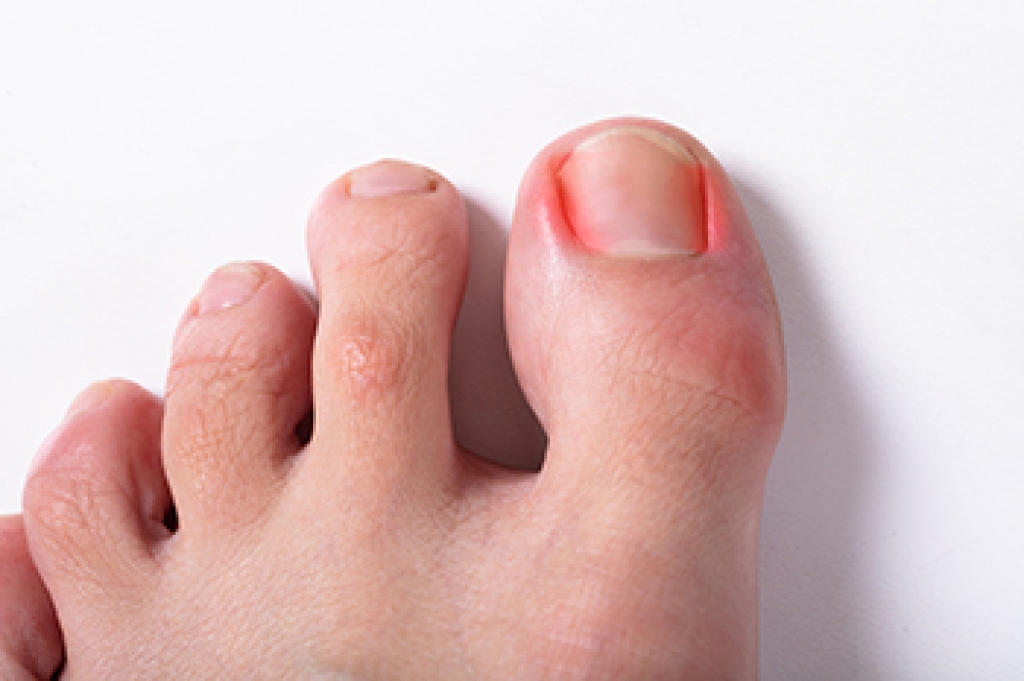
Signs of Toenail Fungus

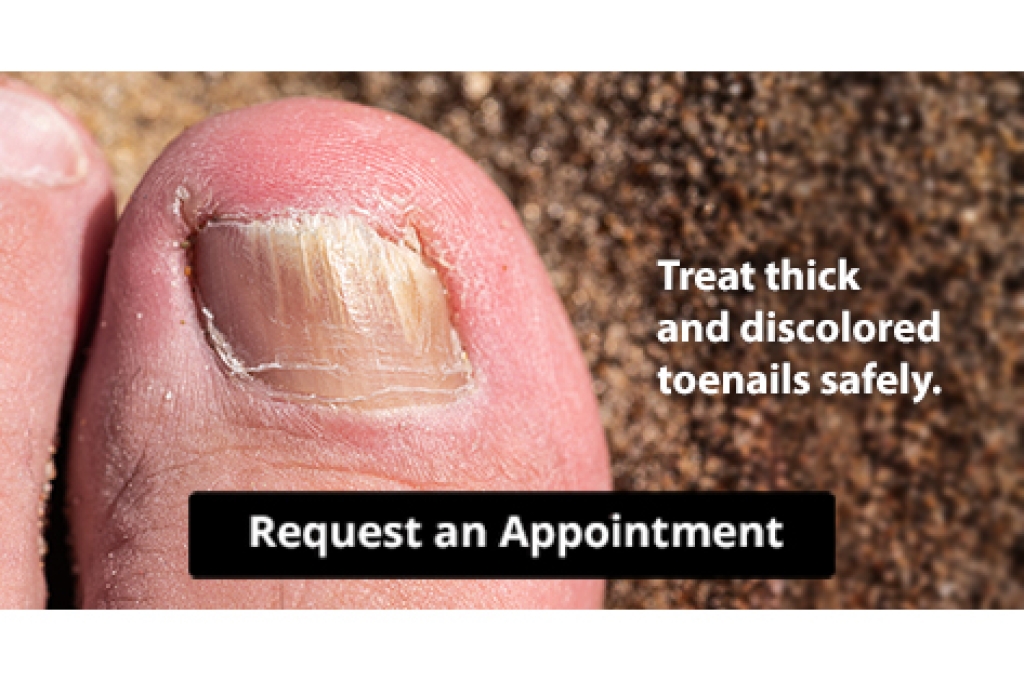
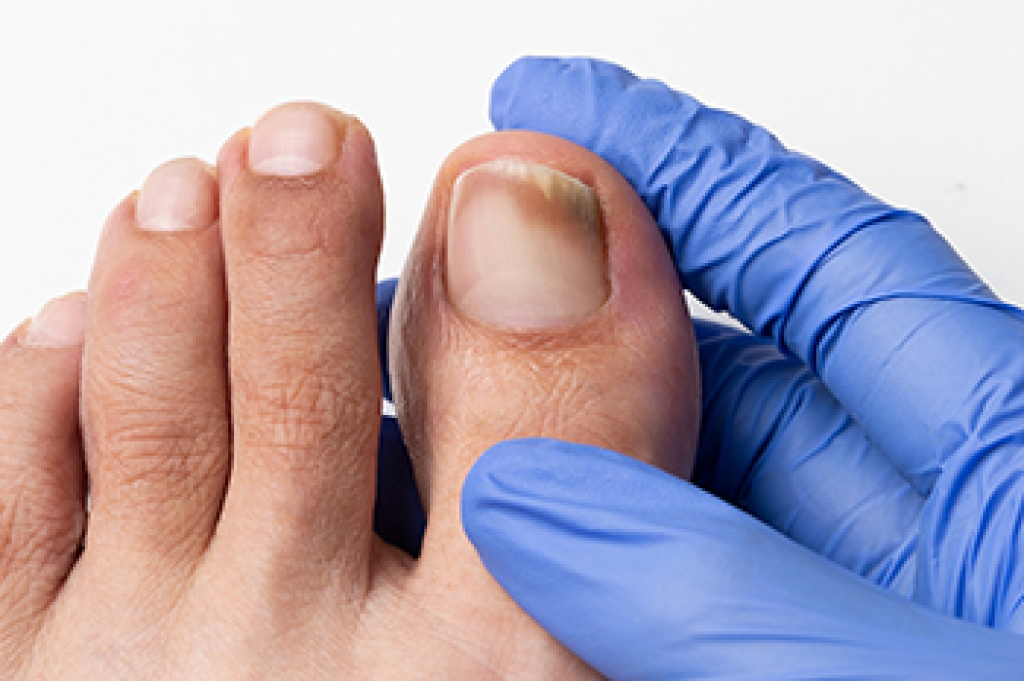
Toenail fungus affects the nail and the skin beneath it. It develops when fungi enter through small cracks in the nail or surrounding skin, often in warm and moist environments. Early signs may include discoloration, usually yellow or white, along with thickening and brittleness of the nail. As the condition progresses, the nail may become distorted, crumbly, or separate from the nail bed. Risk factors include wearing tight shoes, excessive sweating, and aging. Conditions that affect circulation may also be factors. The infection tends to worsen over time, if not treated, and can spread to other nails. A podiatrist can diagnose the infection, determine its severity, and provide targeted treatments to restore nail health and prevent recurrence. If you notice signs of toenail fungus, it is suggested that you consult a podiatrist who can effectively treat this condition, which may include prescribed medication.

If left untreated, toenail fungus may spread to other toenails, skin, or even fingernails. If you suspect you have toenail fungus it is important to seek treatment right away. For more information about treatment, contact Keleigh Muxlow, DPM of Colorado. Our doctor can provide the care you need to keep you pain-free and on your feet.

Symptoms

  • Warped or oddly shaped nails
  • Yellowish nails
  • Loose/separated nail
  • Buildup of bits and pieces of nail fragments under the nail
  • Brittle, broken, thickened nail

Treatment

If self-care strategies and over-the-counter medications does not help your fungus, your podiatrist may give you a prescription drug instead. Even if you find relief from your toenail fungus symptoms, you may experience a repeat infection in the future.

Prevention

In order to prevent getting toenail fungus in the future, you should always make sure to wash your feet with soap and water. After washing, it is important to dry your feet thoroughly especially in between the toes. When trimming your toenails, be sure to trim straight across instead of in a rounded shape. It is crucial not to cover up discolored nails with nail polish because that will prevent your nail from being able to “breathe”.

In some cases, surgical procedure may be needed to remove the toenail fungus. Consult with your podiatrist about the best treatment options for your case of toenail fungus.  

If you have any questions please contact our office located in Littleton, CO . We offer the newest diagnostic and treatment technologies for all your foot and ankle needs.

Read more about Toenail Fungus

Foot Injuries in Figure Skating and What They Mean

Foot stress fractures, ankle bursitis, and lace bite are common injuries among figure skaters due to repetitive impact, tight footwear, and intense training. A foot stress fracture is a small crack in the bone that develops from repeated stress, often causing deep pain that worsens with activity. Ankle bursitis is inflammation of the fluid-filled sacs surrounding the ankle joint, leading to swelling, tenderness, and discomfort with movement. Additionally, lace bite occurs when pressure from tight skate laces irritates the tendons on the top of the foot, causing pain and inflammation. These conditions can make skating difficult and limit performance. A podiatrist can evaluate the injury, use imaging for diagnosis, and provide treatment plans to reduce pain and protect foot function. If any of the above symptoms develop from ice skating, it is suggested that you visit a podiatrist for an evaluation and appropriate care.

Ankle and foot injuries are common among athletes and in many sports. They can be caused by several problems and may be potentially serious. If you are feeling pain or think you were injured in a sporting event or when exercising, consult with Keleigh Muxlow, DPM from Colorado. Our doctor will assess your condition and provide you with quality foot and ankle treatment.

Common Injuries

The most common injuries that occur in sporting activities include:

  • Achilles Tendonitis
  • Achilles Tendon Rupture
  • Ankle Sprains
  • Broken Foot
  • Plantar Fasciitis
  • Stress Fractures
  • Turf Toe

Symptoms

Symptoms vary depending upon the injury and in some cases, there may be no symptoms at all. However, in most cases, some form of symptom is experienced. Pain, aching, burning, bruising, tenderness, tightness or stiffness, sensation loss, difficulty moving, and swelling are the most common symptoms.

Treatment

Just as symptoms vary depending upon the injury, so do treatment options. A common treatment method is known as the RICE method. This method involves rest, applying ice, compression and elevating the afflicted foot or ankle. If the injury appears to be more serious, surgery might be required, such as arthroscopic or reconstructive surgery. Lastly, rehabilitation or therapy might be needed to gain full functionality in the afflicted area. Any discomfort experienced by an athlete must be evaluated by a licensed, reputable medical professional.  

If you have any questions please contact our office located in Littleton, CO . We offer the newest diagnostic and treatment technologies for all your foot and ankle needs.

Read more about Sports Related Foot and Ankle Injuries

Connect With Us

scroll to top