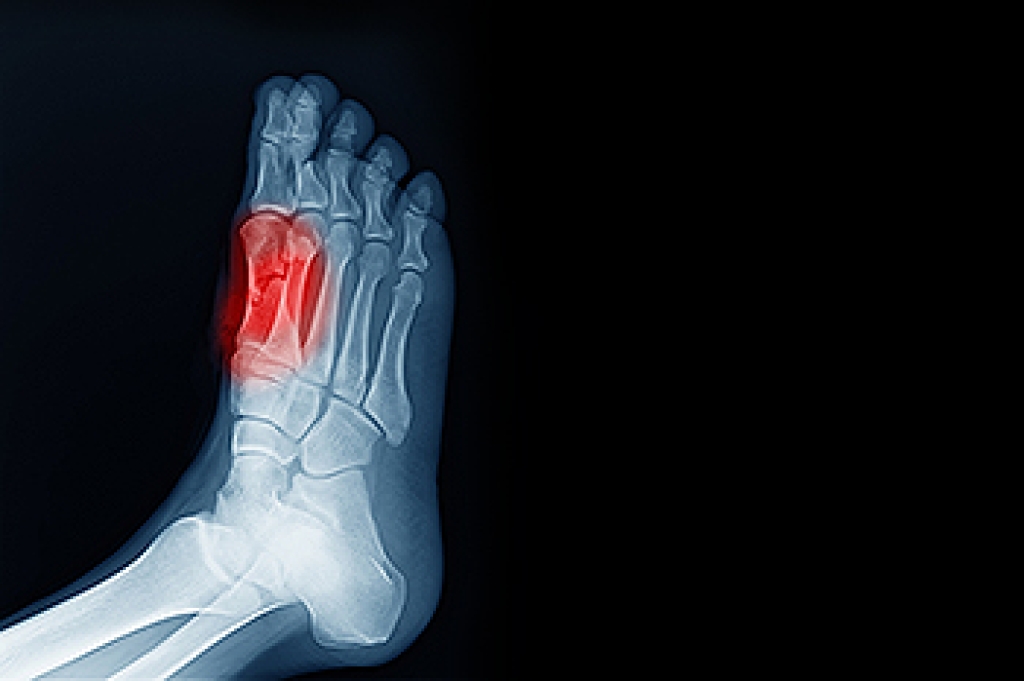
Causes and Diagnosis of Sesamoiditis

Sesamoiditis refers to inflammation of the sesamoid bones, the two small, pea-shaped bones located beneath the big toe joint within the tendons. These bones help the big toe move smoothly and bear weight during walking and running. Causes of sesamoiditis can include repetitive stress from activities that exert pressure on the forefoot, such as dancing or running, as well as wearing high heels or tight shoes that increase pressure on the ball of the foot. Symptoms include pain under the big toe, which worsens when bearing weight or bending the toe. Diagnosis involves a physical examination to assess tenderness and range of motion, in addition to imaging tests like X-rays to visualize the sesamoid bones and rule out fractures. Relief options include rest, cushioning pads, and footwear modifications. In severe cases, immobilization in a cast or surgical removal of the sesamoid bone may be necessary to alleviate pain and restore function. If you have pain under your big toe, it is suggested that you consult a podiatrist who can provide a diagnosis, and offer you a comprehensive treatment plan.

Sesamoiditis is an unpleasant foot condition characterized by pain in the balls of the feet. If you think you’re struggling with sesamoiditis, contact Keleigh Muxlow, DPM of Colorado. Our doctor will treat your condition thoroughly and effectively.

Sesamoiditis

Sesamoiditis is a condition of the foot that affects the ball of the foot. It is more common in younger people than it is in older people. It can also occur with people who have begun a new exercise program, since their bodies are adjusting to the new physical regimen. Pain may also be caused by the inflammation of tendons surrounding the bones. It is important to seek treatment in its early stages because if you ignore the pain, this condition can lead to more serious problems such as severe irritation and bone fractures.

Causes of Sesamoiditis

  • Sudden increase in activity
  • Increase in physically strenuous movement without a proper warm up or build up
  • Foot structure: those who have smaller, bonier feet or those with a high arch may be more susceptible

Treatment for sesamoiditis is non-invasive and simple. Doctors may recommend a strict rest period where the patient forgoes most physical activity. This will help give the patient time to heal their feet through limited activity. For serious cases, it is best to speak with your doctor to determine a treatment option that will help your specific needs.

If you have any questions, please feel free to contact our office located in Littleton, CO . We offer the newest diagnostic and treatment technologies for all your foot care needs.

Read more about Sesamoiditis

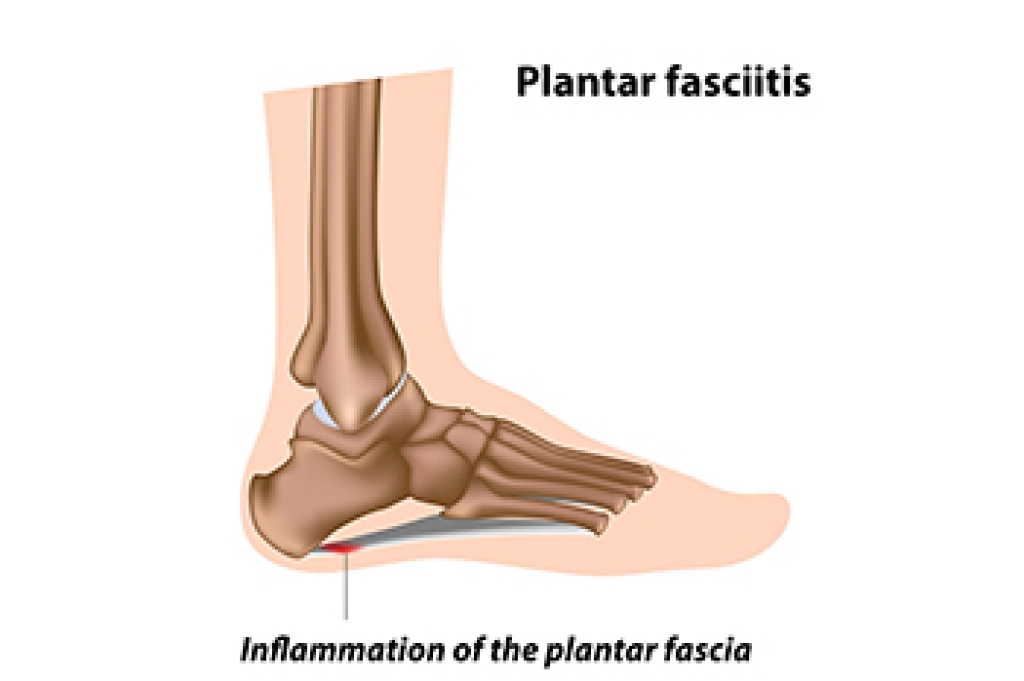
Understanding and Managing Plantar Fasciitis

Plantar fasciitis is an inflammation of the plantar fascia, the thick band of tissue along the bottom of the foot, connecting the heel to the toes. Symptoms can include sharp heel pain, especially with the first steps in the morning or after long periods of rest. Diagnosis is typically based on a physical examination and patient history, sometimes supplemented by imaging tests. Relief tactics involve a combination of rest, stretching exercises, and proper footwear with good arch support. For persistent cases, orthotic devices or medical interventions such as corticosteroid injections may be necessary. Early and consistent treatment is key to alleviating symptoms of plantar fasciitis and preventing chronic discomfort. If you have heel pain, it is strongly suggested that you promptly contact a podiatrist who can accurately diagnose the problem, and treat it accordingly.

Plantar fasciitis can be very painful and inconvenient. If you are experiencing heel pain or symptoms of plantar fasciitis, contact Keleigh Muxlow, DPM  from Colorado. Our doctor can provide the care you need to keep you pain-free and on your feet.

What Is Plantar Fasciitis?

Plantar fasciitis is the inflammation of the thick band of tissue that runs along the bottom of your foot, known as the plantar fascia, and causes mild to severe heel pain.

What Causes Plantar Fasciitis?

  • Excessive running
  • Non-supportive shoes
  • Overpronation
  • Repeated stretching and tearing of the plantar fascia

How Can It Be Treated?

  • Conservative measures – anti-inflammatories, ice packs, stretching exercises, physical therapy, orthotic devices
  • Shockwave therapy – sound waves are sent to the affected area to facilitate healing and are usually used for chronic cases of plantar fasciitis
  • Surgery – usually only used as a last resort when all else fails. The plantar fascia can be surgically detached from the heel

While very treatable, plantar fasciitis is definitely not something that should be ignored. Especially in severe cases, speaking to your doctor right away is highly recommended to avoid complications and severe heel pain. Your podiatrist can work with you to provide the appropriate treatment options tailored to your condition.

If you have any questions, please feel free to contact our office located in Littleton, CO . We offer the newest diagnostic and treatment technologies for all your foot care needs.

Read more about Plantar Fasciitis

Ankle Pain from Tarsal Tunnel Syndrome

Tarsal tunnel syndrome causes significant ankle pain, resulting from the compression of the posterior tibial nerve within the tarsal tunnel. This narrow space on the inside of the ankle acts as a passageway for nerves, tendons, and blood vessels between the foot and the back of the leg. Compression of the tarsal tunnel can lead to burning or tingling sensations, numbness, and sharp, shooting pain along the path of the tibial nerve. Causes of tarsal tunnel syndrome include trauma, systemic diseases, or other factors, though in many cases, the exact cause remains unknown. Diagnosis by a podiatrist typically involves a combination of patient history, clinical examination, nerve conduction studies, and imaging techniques to accurately assess the extent and origin of the nerve entrapment. Conservative treatment options include anti-inflammatory medications and rest. In more severe cases, surgery may be suggested as a way to alleviate the symptoms. Early treatment can help to prevent the progression of tarsal tunnel syndrome and avoid permanent nerve damage. If you are experiencing pain on the inside of the ankle, it is suggested that you schedule an appointment with a podiatrist for a diagnosis and treatment options.

Tarsal tunnel syndrome can be very uncomfortable to live with. If you are experiencing tarsal tunnel syndrome, contact Keleigh Muxlow, DPM of Colorado. Our doctor can provide the care you need to keep you pain-free and on your feet.

Tarsal Tunnel Syndrome

Tarsal tunnel syndrome, which can also be called tibial nerve dysfunction, is an uncommon condition of misfiring peripheral nerves in the foot. The tibial nerve is the peripheral nerve in the leg responsible for sensation and movement of the foot and calf muscles. In tarsal tunnel syndrome, the tibial nerve is damaged, causing problems with movement and feeling in the foot of the affected leg.

Common Cause of Tarsal Tunnel Syndrome

  • Involves pressure or an injury, direct pressure on the tibial nerve for an extended period of time, sometimes caused by other body structures close by or near the knee.
  • Diseases that damage nerves, including diabetes, may cause tarsal tunnel syndrome.
  • At times, tarsal tunnel syndrome can appear without an obvious cause in some cases.

The Effects of Tarsal Tunnel Syndrome

  • Different sensations, an afflicted person may experience pain, tingling, burning or other unusual sensations in the foot of the affected leg.
  • The foot muscles, toes and ankle become weaker, and curling your toes or flexing your foot can become difficult.
  • If condition worsens, infections and ulcers may develop on the foot that is experiencing the syndrome.

A physical exam of the leg can help identify the presence of tarsal tunnel syndrome. Medical tests, such as a nerve biopsy, are also used to diagnose the condition. Patients may receive physical therapy and prescriptive medication. In extreme cases, some may require surgery.

If you have any questions please contact our office located in Littleton, CO . We offer the newest diagnostic and treatment technologies for all your foot and ankle needs.

Read more about Tarsal Tunnel Syndrome

Connect With Us

scroll to top