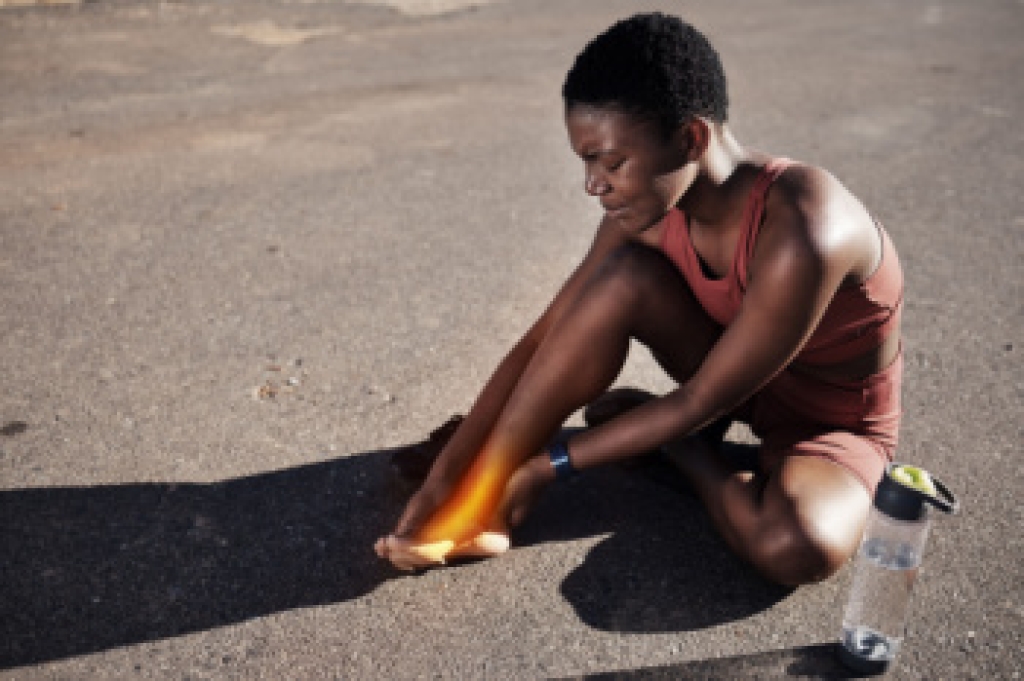
Get Proper Treatment for Ankle Injuries

If you're experiencing ankle pain, you may be suffering from an ankle injury. Sprains, fractures, Achilles tendonitis, and Achilles tendon ruptures are just some examples of potential ankle injuries. Don't wait for care for an ankle injury, as it may worsen over time. We can help!

Everyday Habits That Can Lead to Foot Pain

Foot pain is a common issue that can develop from daily habits and lifestyle choices. It refers to discomfort in any part of the foot, including the heel, arch, or sole. While injuries and medical conditions can contribute, many cases of foot pain are linked to preventable behaviors. Activities such as running barefoot, wearing shoes without socks, choosing worn-out running shoes, and frequent use of high heels can place excessive stress on the feet and lead to ongoing discomfort.

Symptoms of foot pain vary depending on the cause but often include aching, burning sensations, or sharp pain during movement. Running barefoot may lead to strain on the plantar fascia and increased pressure on the heel and forefoot. Wearing shoes without socks can cause friction, leading to blisters, irritation, and skin infections. Worn-out running shoes lose their cushioning and support, which can result in joint stress and fatigue. Frequent use of high heels shifts body weight forward, increasing pressure on the ball of the foot and toes.

The causes of foot pain from these behaviors are related to poor support, repetitive stress, and improper alignment. Barefoot running on hard surfaces reduces shock absorption and increases impact forces. Shoes that have lost their structure no longer provide stability, which can affect gait and balance. High heels alter natural foot mechanics and can contribute to deformities over time. Friction from not wearing socks can weaken the skin barrier, making it more prone to injury.

Risk factors include active lifestyles, long periods of standing, improper footwear choices, and lack of foot care awareness. Preventive measures, such as wearing supportive shoes, replacing worn footwear regularly, and using moisture-wicking socks, can reduce the risk of pain. Making small adjustments to daily habits can protect long-term foot health. If you have developed foot pain, it is suggested that you consult a podiatrist for an accurate diagnosis and appropriate treatment for long-term relief.

Foot Pain

Foot pain can be extremely painful and debilitating. If you have a foot pain, consult with Keleigh Muxlow, DPM from Colorado. Our doctor will assess your condition and provide you with quality foot and ankle treatment.

Causes

Foot pain is a very broad condition that could be caused by one or more ailments. The most common include:

  • Bunions
  • Hammertoes
  • Plantar Fasciitis
  • Bone Spurs
  • Corns
  • Tarsal Tunnel Syndrome
  • Ingrown Toenails
  • Arthritis (such as Gout, Rheumatoid, and Osteoarthritis)
  • Flat Feet
  • Injury (from stress fractures, broken toe, foot, ankle, Achilles tendon ruptures, and sprains)
  • And more

Diagnosis

To figure out the cause of foot pain, podiatrists utilize several different methods. This can range from simple visual inspections and sensation tests to X-rays and MRI scans. Prior medical history, family medical history, and any recent physical traumatic events will all be taken into consideration for a proper diagnosis.

Treatment

Treatment depends upon the cause of the foot pain. Whether it is resting, staying off the foot, or having surgery; podiatrists have a number of treatment options available for foot pain.

If you have any questions, please feel free to contact our office located in Littleton, CO . We offer the newest diagnostic and treatment technologies for all your foot care needs.

Read more about Foot Pain

Forefoot Pain May Be Morton’s Neuroma

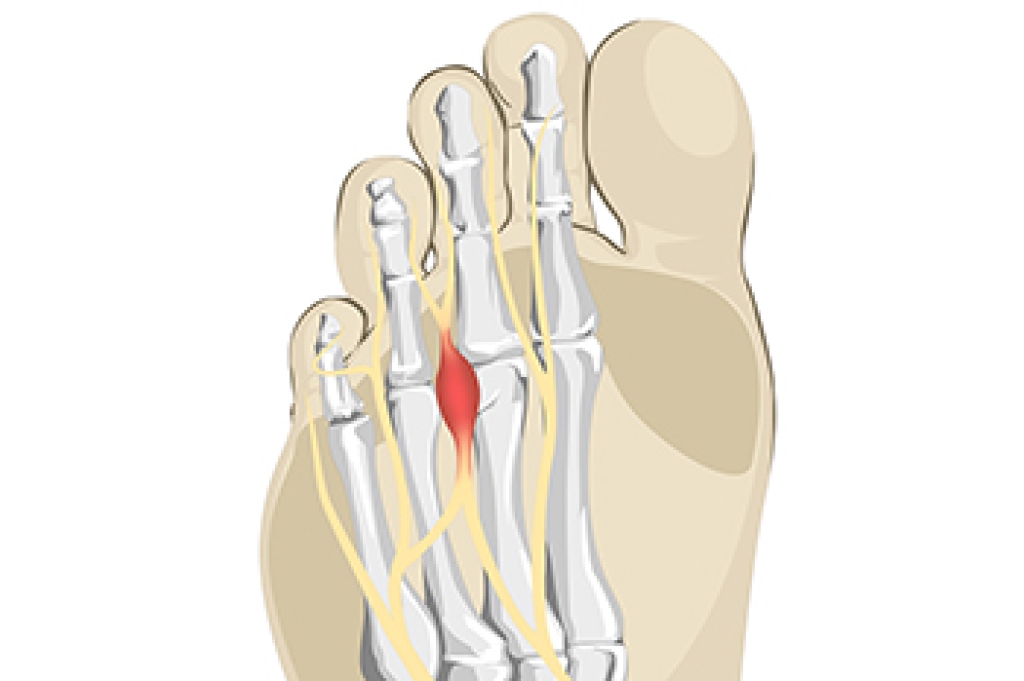
Morton's neuroma affects nerves between the toes, most often between the third and fourth, causing irritation and thickening of surrounding tissue. This leads to nerve compression and discomfort in the ball of the foot. Metatarsalgia is a related condition that involves inflammation and pain in the forefoot, particularly under the metatarsal heads. Both conditions are commonly linked to repetitive pressure and biomechanical stress. They are more prevalent in women, often due to footwear choices that place increased strain on the forefoot. Understanding these conditions helps individuals recognize symptoms early and seek appropriate care.

Symptoms of Morton's neuroma include burning pain, tingling, and numbness that may extend into the toes. Many people describe the sensation as walking on a small object inside the shoe. Metatarsalgia presents as aching pain, tenderness, and increased discomfort with standing or walking. Swelling and a feeling of bruising under the ball of the foot are also common. These symptoms may worsen during activity and improve with rest. Early recognition is important to prevent progression and reduce the impact on mobility and daily function.


Risk factors for these conditions include high-heeled or narrow footwear, repetitive impact activities, and foot structure abnormalities like high arches or flat feet. Obesity increases pressure on the forefoot, contributing to tissue stress and inflammation. Tight calf muscles and poor shock absorption can also lead to excessive force on the metatarsal region. Common causes of metatarsalgia include overuse, improper footwear, and uneven weight distribution when walking or running. These factors create ongoing stress that leads to irritation and pain in the forefoot.


Managing these conditions involves reducing pressure on the forefoot through proper footwear, cushioning, and orthotic support. Activity modification and targeted exercises may help improve foot mechanics and relieve symptoms. Early treatment leads to better outcomes and reduces the likelihood of chronic pain. If you have Morton’s neuroma, it is suggested that you consult a podiatrist for effective treatment to restore comfort and improve foot function.

Morton’s neuroma is a very uncomfortable condition to live with. If you think you have Morton’s neuroma, contact Keleigh Muxlow, DPM of Colorado. Our doctor will attend to all of your foot care needs and answer any of your related questions.  

Morton’s Neuroma

Morton's neuroma is a painful foot condition that commonly affects the areas between the second and third or third and fourth toe, although other areas of the foot are also susceptible. Morton’s neuroma is caused by an inflamed nerve in the foot that is being squeezed and aggravated by surrounding bones.

What Increases the Chances of Having Morton’s Neuroma?

  • Ill-fitting high heels or shoes that add pressure to the toe or foot
  • Jogging, running or any sport that involves constant impact to the foot
  • Flat feet, bunions, and any other foot deformities

Morton’s neuroma is a very treatable condition. Orthotics and shoe inserts can often be used to alleviate the pain on the forefront of the feet. In more severe cases, corticosteroids can also be prescribed. In order to figure out the best treatment for your neuroma, it’s recommended to seek the care of a podiatrist who can diagnose your condition and provide different treatment options.

If you have any questions, please feel free to contact our office located in Littleton, CO . We offer the newest diagnostic and treatment technologies for all your foot care needs.

Read more about What is Morton's Neuroma?

Connect With Us

scroll to top