Understanding the Causes of Ankle Pain

Ankle pain is a common problem that can affect people of all ages and activity levels. The ankle is a complex joint that supports body weight while allowing the foot to move in different directions. Pain may develop suddenly after an injury or appear gradually from repeated stress. Common symptoms include swelling, stiffness, and tenderness surrounding the joint. Some people also experience bruising, difficulty walking, or a feeling that the ankle is unstable. Ankle pain may result from sprains, fractures, or inflammation of the tendons that connect muscles to bones. Because many conditions can produce similar symptoms, a professional evaluation is important to identify the underlying cause and recommend the most appropriate treatment.


Persistent ankle pain can interfere with everyday activities and limit mobility if left untreated. Ongoing discomfort may change the way a person walks, placing additional stress on the foot and lower leg. In some cases, such altered movement can increase strain on the knee or hip over time. A comprehensive podiatry examination helps evaluate the ankle's stability, range of motion, and overall function. Imaging studies may be recommended when a fracture or more serious injury is suspected. Early diagnosis allows treatment to begin before the condition progresses or causes long-term problems that affect balance and daily movement.


A podiatrist specializes in diagnosing and treating ankle pain while evaluating how the injury or condition affects the entire foot and ankle. Professional care focuses on relieving pain, restoring mobility, and improving joint function through an individualized treatment plan. Care is based on the cause of the symptoms and may be adjusted as healing progresses. Regular follow-up visits also help monitor recovery and reduce the risk of ongoing instability or recurring injuries. If you have persistent ankle pain, swelling, or difficulty walking, it is suggested that you consult a podiatrist for an evaluation and appropriate treatment options.

Ankle pain can be caused by a number of problems and may be potentially serious. If you have ankle pain, consult with Keleigh Muxlow, DPM from Colorado. Our doctor will assess your condition and provide you with quality foot and ankle treatment.

Ankle pain is any condition that causes pain in the ankle. Due to the fact that the ankle consists of tendons, muscles, bones, and ligaments, ankle pain can come from a number of different conditions.

Causes

The most common causes of ankle pain include:

  • Types of arthritis (rheumatoid, osteoarthritis, and gout)
  • Ankle sprains
  • Broken ankles
  • Achilles tendonitis
  • Achilles tendon rupture
  • Stress fractures
  • Bursitis
  • Tarsal tunnel syndrome
  • Plantar fasciitis

Symptoms

Symptoms of ankle injury vary based upon the condition. Pain may include general pain and discomfort, swelling, aching, redness, bruising, burning or stabbing sensations, and/or loss of sensation.

Diagnosis

Due to the wide variety of potential causes of ankle pain, podiatrists will utilize a number of different methods to properly diagnose ankle pain. This can include asking for personal and family medical histories and of any recent injuries. Further diagnosis may include sensation tests, a physical examination, and potentially x-rays or other imaging tests.

Treatment

Just as the range of causes varies widely, so do treatments. Some more common treatments are rest, ice packs, keeping pressure off the foot, orthotics and braces, medication for inflammation and pain, and surgery.

If you have any questions please feel free to contact our office located in Littleton, CO . We offer the newest diagnostic tools and technology to treat your foot and ankle needs.

Read more about Ankle Pain

Why Diabetic Foot Care Is So Important

Diabetes affects many parts of the body, including the feet. High blood sugar levels may damage nerves and reduce blood flow, making it harder for the feet to heal after an injury. Some people gradually lose feeling in their feet and may not notice cuts, blisters, or other injuries right away. Reduced circulation can also slow healing and increase the risk of infection. Because these changes often develop gradually, routine diabetic foot care is an important part of protecting long-term health. Warning signs include numbness, tingling, and burning sensations. Some people also notice swelling or changes in the appearance of the skin. Regular podiatry evaluations help identify problems early before they become more serious.


Diabetes-related foot problems affect mobility and overall quality of life if they are not recognized promptly. Even a small wound may become more difficult to heal when circulation is reduced or sensation is limited. In more advanced cases, untreated infections or ulcers can lead to significant complications. A comprehensive podiatry examination allows the feet to be evaluated for changes in skin health, circulation, and nerve function. A podiatrist can also identify early signs of pressure points or developing foot deformities that may increase the risk of future problems. Early diagnosis and ongoing monitoring are essential because many diabetes-related foot conditions respond best when addressed as soon as possible.


A podiatrist plays a vital role in helping patients with diabetes maintain healthy feet and reduce the risk of serious complications. Professional care focuses on detecting changes early, treating existing foot conditions, and preserving comfort and mobility. Treatment plans are tailored to each patient's needs while considering overall health and circulation. Regular podiatry visits also provide an opportunity to monitor foot health and address concerns before they progress. If you have diabetes and notice changes in your feet or experience persistent foot symptoms, it is suggested that you consult a podiatrist for an evaluation and appropriate treatment options.

Diabetic foot care is important in preventing foot ailments such as ulcers. If you are suffering from diabetes or have any other concerns about your feet, contact Keleigh Muxlow, DPM from Colorado. Our doctor can provide the care you need to keep you pain-free and on your feet.

Diabetic Foot Care

Diabetes affects millions of people every year. The condition can damage blood vessels in many parts of the body, especially the feet. Because of this, taking care of your feet is essential if you have diabetes, and having a podiatrist help monitor your foot health is highly recommended.

The Importance of Caring for Your Feet

  • Routinely inspect your feet for bruises or sores.
  • Wear socks that fit your feet comfortably.
  • Wear comfortable shoes that provide adequate support.

Patients with diabetes should have their doctor monitor their blood levels, as blood sugar levels play such a huge role in diabetic care. Monitoring these levels on a regular basis is highly advised.

It is always best to inform your healthcare professional of any concerns you may have regarding your feet, especially for diabetic patients. Early treatment and routine foot examinations are keys to maintaining proper health, especially because severe complications can arise if proper treatment is not applied.

If you have any questions, please feel free to contact our office located in Littleton, CO . We offer the newest diagnostic and treatment technologies for all your foot care needs.

Read more about How to Care for Diabetic Foot

Ankle Fracture? Don’t Wait for Treatment

If you're suffering from an ankle fracture, professional attention shouldn't wait. Fractures may worsen over time and can make completing everyday activities incredibly difficult. See your specialist for treatment and guidance through the healing process. 

Why Professional Foot Wound Care Matters

Foot wounds can develop from cuts, pressure, burns, or injuries that damage the skin and underlying tissue. Although some wounds appear minor at first, they may become more serious if they do not heal properly. People with diabetes, poor circulation, or reduced feeling in their feet have a greater risk of developing complications, because wounds may heal more slowly. Common signs of a foot wound include pain, swelling, and drainage. Some wounds may also develop redness or an unpleasant odor if an infection is present. Because untreated foot wounds can worsen over time, a professional evaluation is important to determine the cause and recommend the most appropriate treatment.


The healing process depends on healthy blood flow, proper pressure distribution, and the condition of the surrounding tissue. If a wound remains open for an extended period, it may become deeper and increase the risk of infection. Ongoing pressure on the affected area can also delay healing and make walking more difficult. A thorough podiatry evaluation helps determine the size, depth, and severity of the wound. Additional testing may be recommended if there are concerns about circulation or infection. Early diagnosis allows treatment to begin promptly and helps reduce the risk of long-term complications that could affect foot health and mobility.


A podiatrist plays an important role in evaluating and treating foot wounds while monitoring the healing process. Professional care focuses on protecting healthy tissue, encouraging wound healing, and reducing the risk of infection. Treatment is tailored to each patient's condition and may be adjusted as the wound improves. Regular follow-up visits allow the podiatrist to monitor healing and identify any changes that require additional care. If you have a foot wound that is painful, slow to heal, or showing signs of infection, it is suggested that you consult a podiatrist for an evaluation and appropriate treatment options.

Wound care is an important part in dealing with diabetes. If you have diabetes and a foot wound or would like more information about wound care for diabetics, consult with Keleigh Muxlow, DPM from Colorado. Our doctor will assess your condition and provide you with quality foot and ankle treatment.

What Is Wound Care?

Wound care is the practice of taking proper care of a wound. This can range from the smallest to the largest of wounds. While everyone can benefit from proper wound care, it is much more important for diabetics. Diabetics often suffer from poor blood circulation which causes wounds to heal much slower than they would in a non-diabetic. 

What Is the Importance of Wound Care?

While it may not seem apparent with small ulcers on the foot, for diabetics, any size ulcer can become infected. Diabetics often also suffer from neuropathy, or nerve loss. This means they might not even feel when they have an ulcer on their foot. If the wound becomes severely infected, amputation may be necessary. Therefore, it is of the upmost importance to properly care for any and all foot wounds.

How to Care for Wounds

The best way to care for foot wounds is to prevent them. For diabetics, this means daily inspections of the feet for any signs of abnormalities or ulcers. It is also recommended to see a podiatrist several times a year for a foot inspection. If you do have an ulcer, run the wound under water to clear dirt from the wound; then apply antibiotic ointment to the wound and cover with a bandage. Bandages should be changed daily and keeping pressure off the wound is smart. It is advised to see a podiatrist, who can keep an eye on it.

If you have any questions please contact our office located in Littleton, CO . We offer the newest diagnostic and treatment technologies for all your foot and ankle needs.

Read more about Wound Care

Broken Foot and an Air Cast Boot

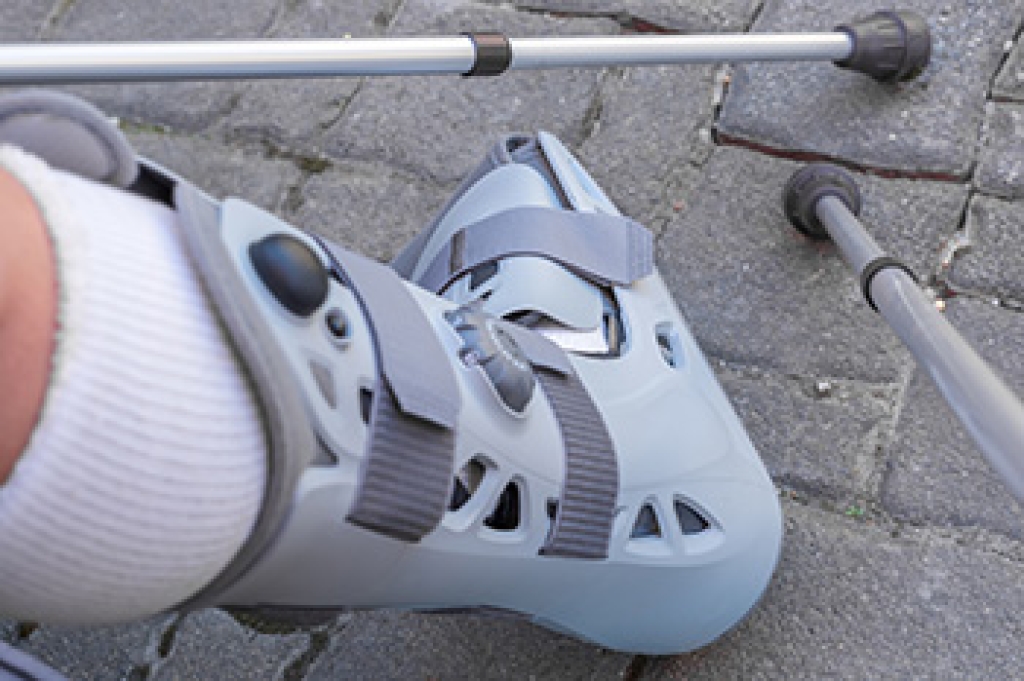
A broken foot refers to a fracture in one or more of the bones in the foot, often caused by trauma, overuse, or direct impact. This injury can affect mobility and daily function, depending on the severity and location of the fracture. Common causes include falls, sports injuries, and repetitive stress. Prompt recognition of a broken foot is important for proper healing. Treatment often includes immobilization, and one widely used option is an air cast boot, which supports the foot during recovery.

Symptoms of a broken foot may include sharp pain, swelling, and difficulty bearing weight. Some individuals notice deformity or increased pain with movement. An air cast boot is a supportive medical device designed to stabilize the foot and ankle while allowing limited movement. It uses adjustable air chambers to provide a customized fit and compression, which can help reduce swelling and improve comfort during healing.


Risk factors for a broken foot include high-impact activities, poor bone health, and lack of proper footwear. Athletes and individuals with physically demanding routines may face higher risk due to repeated stress on the foot. Weak bones or previous injuries can also increase susceptibility. The air cast boot offers several advantages, including a lightweight design that makes it easier to move compared to traditional casts. It can be removed for hygiene purposes, allowing individuals to shower, and, in some cases, swimming may be permitted.


Choosing the right treatment is essential for proper recovery and preventing complications. An air cast boot can provide stability while offering flexibility and comfort during the healing process. Following medical guidance and avoiding premature weight bearing can improve outcomes. Early evaluation ensures that the fracture is managed correctly from the start. If you have broken your foot, it is suggested that you consult a podiatrist who can offer effective treatment solutions, which may include the use of an air cast boot.

A broken foot requires immediate medical attention and treatment. If you need your feet checked, contact Keleigh Muxlow, DPM from Colorado. Our doctor can provide the care you need to keep you pain-free and on your feet.

Broken Foot Causes, Symptoms, and Treatment

A broken foot is caused by one of the bones in the foot typically breaking when bended, crushed, or stretched beyond its natural capabilities. Usually the location of the fracture indicates how the break occurred, whether it was through an object, fall, or any other type of injury. 

Common Symptoms of Broken Feet:

  • Bruising
  • Pain
  • Redness
  • Swelling
  • Blue in color
  • Numbness
  • Cold
  • Misshapen
  • Cuts
  • Deformities

Those that suspect they have a broken foot shoot seek urgent medical attention where a medical professional could diagnose the severity.

Treatment for broken bones varies depending on the cause, severity and location. Some will require the use of splints, casts or crutches while others could even involve surgery to repair the broken bones. Personal care includes the use of ice and keeping the foot stabilized and elevated.

If you have any questions, please feel free to contact our office located in Littleton, CO . We offer the newest diagnostic and treatment technologies for all your foot care needs.

Read more about Causes, Symptoms, and Treatment for a Broken Foot

Connect With Us

scroll to top