Broken Toe Symptoms Podiatric Care

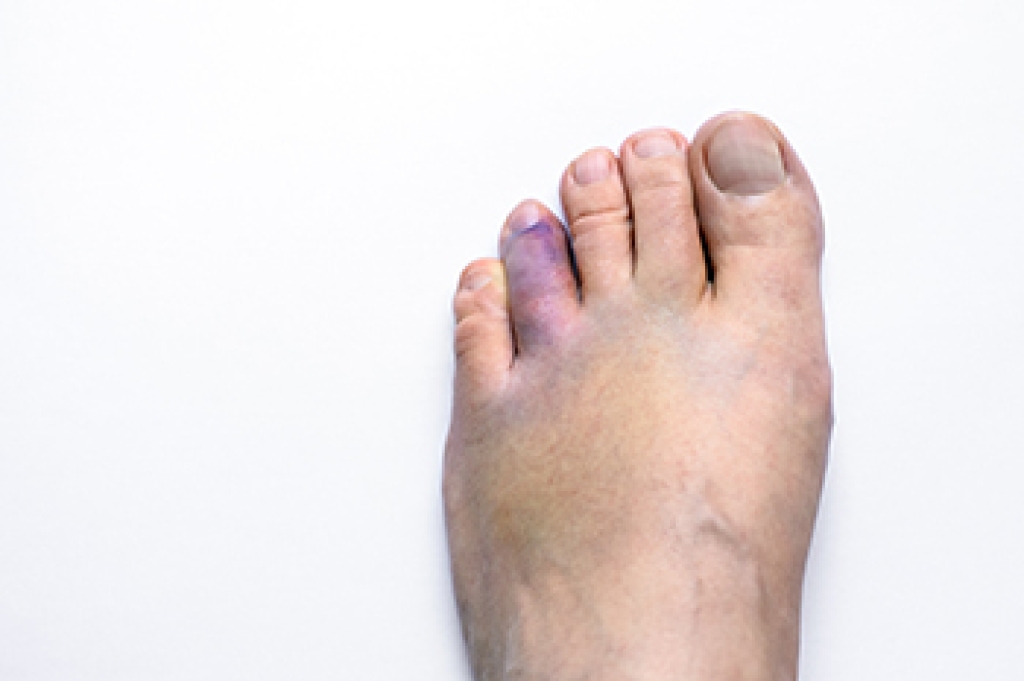
A broken toe can happen when the toe is struck, bent forcefully, or hit by a heavy object. Each toe contains small bones that can break after an injury. Symptoms can include pain, swelling, and stiffness. Some people notice pain while walking or putting pressure on the foot. The toe can also look crooked if the broken bone has moved out of its normal position. Injuries to the big toe deserve particular attention because this toe plays an important role in balance and movement. An open wound near the injury can also signal a more serious break. A podiatrist can examine the toe, assess its position and movement, and determine how severe the injury is.

Treatment for a broken toe depends on the location and severity of the injury. A podiatrist can examine the toe and determine whether imaging is appropriate to evaluate the bones. If the toe is out of position, treatment can focus on restoring proper alignment so the bone can heal correctly. More serious fractures can require a splint, cast, or surgery. A podiatrist can also monitor healing and help determine when it is appropriate to return to normal activities. Most broken toes heal within several weeks, but more serious injuries can take longer to heal. Professional evaluation is especially important when there is significant swelling, an open wound, severe pain, or a crooked toe.

A broken toe can interfere with walking, work, and other daily activities. Delaying evaluation can be a concern when the toe is severely painful, visibly crooked, or has an open wound. A podiatrist can assess the injury and create a treatment plan based on the type of fracture and your symptoms. Follow-up care can help track healing and make sure the toe is progressing properly. A proper evaluation can also help protect the toe from additional stress while it heals. If you have broken your toe, it is suggested that you schedule an appointment with a podiatrist for effective relief and treatment solutions.

A broken toe can be very painful and lead to complications if not properly fixed. If you have any concerns about your feet, contact Keleigh Muxlow, DPM from Colorado. Our doctor will treat your foot and ankle needs.

What to Know About a Broken Toe

Although most people try to avoid foot trauma such as banging, stubbing, or dropping heavy objects on their feet, the unfortunate fact is that it is a common occurrence. Given the fact that toes are positioned in front of the feet, they typically sustain the brunt of such trauma. When trauma occurs to a toe, the result can be a painful break (fracture).

Symptoms of a Broken Toe

  • Throbbing pain
  • Swelling
  • Bruising on the skin and toenail
  • The inability to move the toe
  • Toe appears crooked or disfigured
  • Tingling or numbness in the toe

Generally, it is best to stay off of the injured toe with the affected foot elevated.

Severe toe fractures may be treated with a splint, cast, and in some cases, minor surgery. Due to its position and the pressure it endures with daily activity, future complications can occur if the big toe is not properly treated.

If you have any questions, please feel free to contact our office located in Littleton, CO . We offer the newest diagnostic and treatment technologies for all your foot care needs.
Read more about What to Know About a Broken Toe

Causes of Pain in the Big Toe

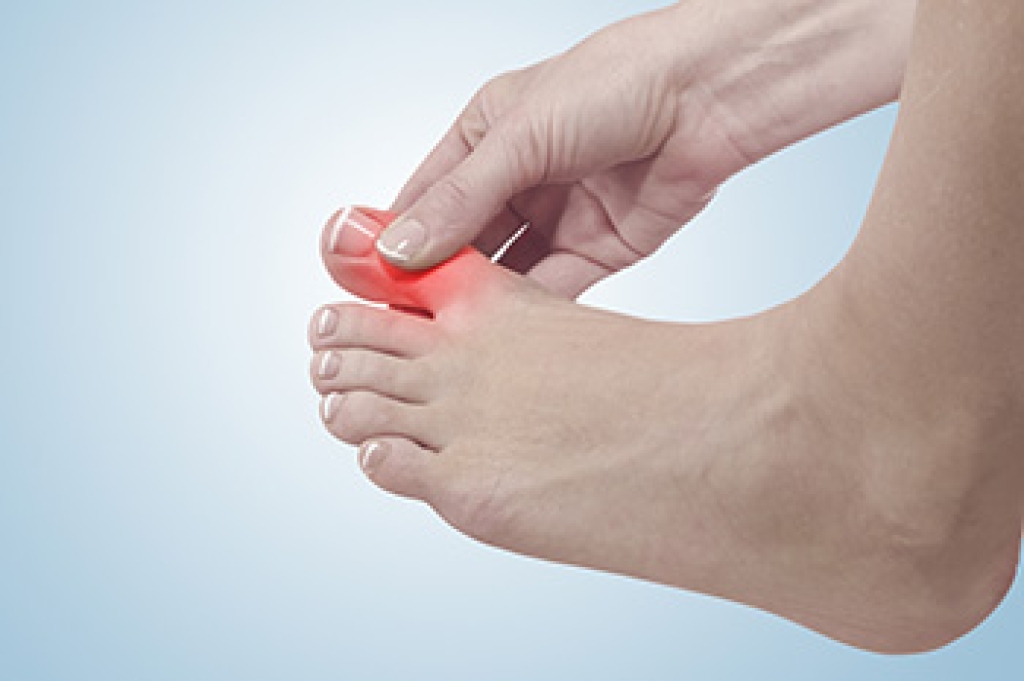
Big toe pain often affects the joint at the base of the toe, which plays a key role in balance and forward movement. This joint supports body weight during walking and running, so pain in this area can limit daily activity. Symptoms include swelling, stiffness, and redness. A sharp or throbbing discomfort may also occur. In some cases, individuals may notice reduced range of motion or difficulty pushing off the foot, which can interfere with normal movement patterns.

Several conditions can cause big toe pain, including bunions and gout. Bunions develop when the joint becomes misaligned, forming a bony bump that leads to pressure and irritation. Gout is a form of inflammatory arthritis caused by a buildup of uric acid crystals in the joint, resulting in sudden and intense pain. Other causes include injury, overuse, or joint degeneration. Without proper care, these conditions can worsen and lead to long-term discomfort or reduced mobility.


Risk factors for big toe pain include poor footwear, genetic foot structure, and high impact activities. Tight shoes can place pressure on the joint, increasing the risk of bunion formation. Diet and medical conditions can contribute to gout, especially when uric acid levels rise. Age and repeated stress on the joint may also increase the likelihood of pain. Early symptoms like swelling and tenderness should not be ignored, as untreated issues can lead to disability.


Understanding the causes and recognizing symptoms early can help prevent serious complications. Proper care and lifestyle adjustments can reduce pain and improve function. Seeking podiatric evaluation ensures an accurate diagnosis and appropriate treatment plan. If you have pain in your big toe, it is suggested that you consult a podiatrist for an accurate diagnosis and appropriate treatment.

Toe pain can disrupt your daily activities. If you have any concerns, contact Keleigh Muxlow, DPM of Colorado. Our doctor can provide the care you need to keep you pain-free and on your feet.

What Causes Toe Pain?

Most severe toe pain is caused due to a sports injury, trauma from dropping something heavy on the toe, or bumping into something rigid. Other problems can develop over time for various reasons.

Toe pain can be caused by one or more ailments. The most common include:

  • Trauma
  • Sports injury
  • Wearing shoes that are too tight
  • Arthritis
  • Gout
  • Corns and calluses
  • Hammertoe
  • Bunions
  • Blisters
  • Ingrown toenails
  • Sprains
  • Fractures (broken bones)
  • Dislocations

When to See a Podiatrist

  • Severe pain
  • Persistent pain that lasts more than a week
  • Signs of infection
  • Continued swelling
  • Pain that prevents walking

Diagnosis

In many cases the cause of toe pain is obvious, but in others, a podiatrist may want to use more advanced methods to determine the problem. These can range from simple visual inspections and sensation tests to X-rays and MRI scans. Prior medical history, family medical history, and any recent physical traumatic events will all be taken into consideration for a proper diagnosis.

Treatment

Treatments for toe pain and injuries vary and may include shoe inserts, padding, taping, medicines, injections, and in some cases, surgery. If you believe that you have broken a toe, please see a podiatrist as soon as possible.

If you have any questions please contact our office located in Littleton, CO . We offer the newest diagnostic and treatment technologies for all your foot and ankle needs.

Read more about Toe Pain

Connect With Us

scroll to top