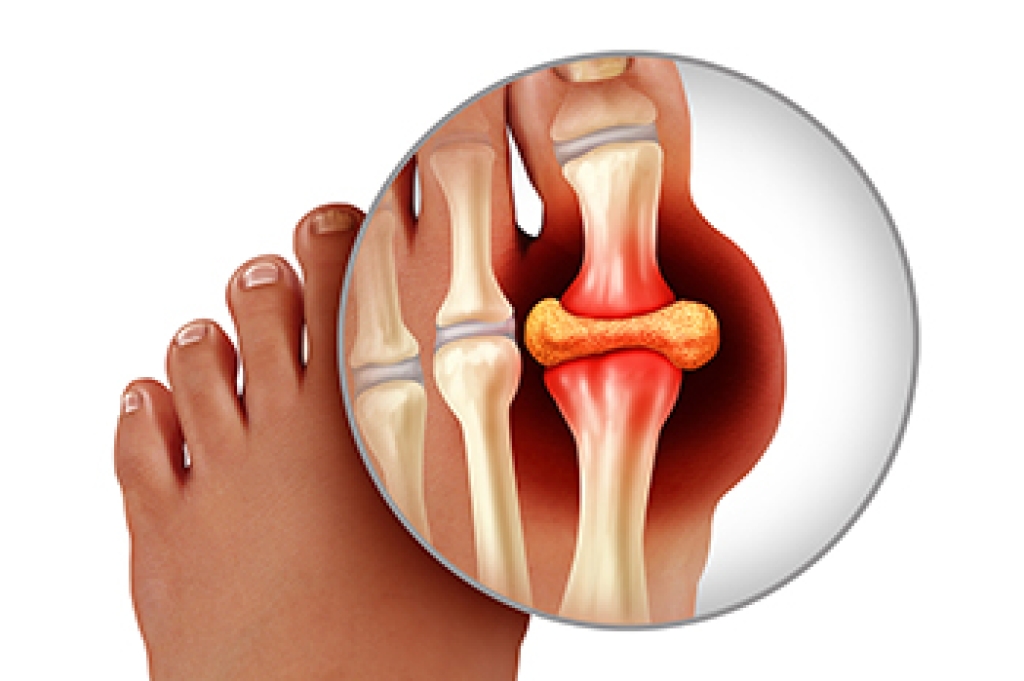
Facts About Gout

Gout is a type of arthritis caused by a buildup of uric acid crystals in the joints, often affecting the big toe, but also the foot and ankle. Symptoms include sudden, severe pain, redness, swelling, and warmth in the affected joint, making walking or standing difficult. Risk factors include a diet high in purines, obesity, genetics, alcohol consumption, and certain medical conditions. Repeated gout attacks can lead to joint damage, decreased mobility, and long-term discomfort. A podiatrist can diagnose gout, recommend lifestyle adjustments, prescribe medication, and provide care to reduce pain and prevent future attacks. Early intervention helps protect joint health and improve mobility. If you have gout symptoms in your big toe or foot, it is suggested that you promptly consult a podiatrist who can help you to manage this painful condition.

Gout is a foot condition that requires certain treatment and care. If you are seeking treatment, contact Keleigh Muxlow, DPM from Colorado. Our doctor will treat your foot and ankle needs.

What Is Gout?

Gout is a type of arthritis caused by a buildup of uric acid in the bloodstream. It often develops in the foot, especially the big toe area, although it can manifest in other parts of the body as well. Gout can make walking and standing very painful and is especially common in diabetics and the obese.

People typically get gout because of a poor diet. Genetic predisposition is also a factor. The children of parents who have had gout frequently have a chance of developing it themselves.

Gout can easily be identified by redness and inflammation of the big toe and the surrounding areas of the foot. Other symptoms include extreme fatigue, joint pain, and running high fevers. Sometimes corticosteroid drugs can be prescribed to treat gout, but the best way to combat this disease is to get more exercise and eat a better diet.

If you have any questions, please feel free to contact our office located in Littleton, CO . We offer the newest diagnostic and treatment technologies for all your foot care needs.

Read more about Everything You Need to Know About Gout

Understanding Freiberg Disease

Freiberg disease is a congenital foot-related condition that affects the metatarsal bones in the forefoot, most commonly near the base of the second toe. This disorder occurs when the bone tissue gradually weakens due to reduced blood supply, which may lead to joint damage over time. As the condition progresses, it may contribute to arthritis within the affected joint. Symptoms include forefoot pain, swelling, stiffness, and discomfort while walking or placing pressure on the ball of the foot. Causes may involve abnormal bone development, repetitive stress, or structural foot imbalance. Risk factors include certain foot shapes and prolonged pressure on the forefoot. A podiatrist can evaluate the condition and guide treatment. If your child has been born with this condition, it is suggested that you include a podiatrist on your healthcare team for expert management techniques.

Foot Pain

Foot pain can be extremely painful and debilitating. If you have a foot pain, consult with Keleigh Muxlow, DPM from Colorado. Our doctor will assess your condition and provide you with quality foot and ankle treatment.

Causes

Foot pain is a very broad condition that could be caused by one or more ailments. The most common include:

  • Bunions
  • Hammertoes
  • Plantar Fasciitis
  • Bone Spurs
  • Corns
  • Tarsal Tunnel Syndrome
  • Ingrown Toenails
  • Arthritis (such as Gout, Rheumatoid, and Osteoarthritis)
  • Flat Feet
  • Injury (from stress fractures, broken toe, foot, ankle, Achilles tendon ruptures, and sprains)
  • And more

Diagnosis

To figure out the cause of foot pain, podiatrists utilize several different methods. This can range from simple visual inspections and sensation tests to X-rays and MRI scans. Prior medical history, family medical history, and any recent physical traumatic events will all be taken into consideration for a proper diagnosis.

Treatment

Treatment depends upon the cause of the foot pain. Whether it is resting, staying off the foot, or having surgery; podiatrists have a number of treatment options available for foot pain.

If you have any questions, please feel free to contact our office located in Littleton, CO . We offer the newest diagnostic and treatment technologies for all your foot care needs.

Read more about Foot Pain

The Importance of Everyday Foot Care for Diabetic Patients

Everyday foot care plays an essential role in maintaining healthy and comfortable feet, and is especially important for diabetic patients. Washing the feet daily with warm water and gentle cleansing helps remove dirt, bacteria, and sweat that may lead to irritation or infection. It is important to wash all areas of the feet carefully, including the soles, heels, and around the toes. After washing, the feet should be gently patted dry with a clean towel. Special attention should be given to drying between the toes to prevent excess moisture that may encourage fungal growth. Improper daily foot care may contribute to conditions such as athlete’s foot, skin irritation, and unpleasant odor. A podiatrist can evaluate foot health and provide guidance for proper care. If you have diabetes, it is suggested that you are under the care of a podiatrist who can guide you on additional everyday foot care tips.

Everyday foot care is very important to prevent infection and other foot ailments. If you need your feet checked, contact Keleigh Muxlow, DPM from Colorado. Our doctor can provide the care you need to keep you pain-free and on your feet.

Everyday Foot Care

Often, people take care of their bodies, face and hair more so than they do for their feet. But the feet are a very important aspect of our bodies, and one that we should pay more attention to. Without our feet, we would not be able to perform most daily tasks.

It is best to check your feet regularly to make sure there are no new bruises or cuts that you may not have noticed before. For dry feet, moisturizer can easily be a remedy and can be applied as often as necessary to the affected areas. Wearing shoes that fit well can also help you maintain good foot health, as well as making it easier to walk and do daily activities without the stress or pain of ill-fitting shoes, high heels, or even flip flops. Wearing clean socks with closed shoes is important to ensure that sweat and bacteria do not accumulate within the shoe. Clean socks help to prevent Athlete’s foot, fungi problems, bad odors, and can absorb sweat.

If you have any questions, please feel free to contact our office located in Littleton, CO . We offer the newest diagnostic and treatment technologies for all your foot care needs.
Read more about Everyday Foot Care

It's Time for Beautiful Feet

You don't need an excuse to have beautiful nails. Step outside without worrying about the appearance of your feet.

Peripheral Arterial Disease and Protecting Your Circulation

Peripheral arterial disease, also known as PAD, is a circulatory condition in which narrowed arteries reduce blood flow to the limbs, most often the legs and feet. It commonly develops due to a buildup of fatty deposits within the arteries. The ankle brachial index is a simple noninvasive test that compares blood pressure in the ankle to blood pressure in the arm to assess circulation and detect blockage. Symptoms include leg pain while walking, cramping, numbness, slow healing wounds, or cold feet. Risk factors include smoking, diabetes, high blood pressure, and high cholesterol. A podiatrist can perform vascular assessments, monitor foot health, and recommend appropriate treatment. If you have symptoms of PAD, it is suggested that you consult a podiatrist who can help determine whether you have this condition and provide treatment.

Peripheral artery disease can pose a serious risk to your health. It can increase the risk of stroke and heart attack. If you have symptoms of peripheral artery disease, consult with Keleigh Muxlow, DPM from Colorado. Our doctor will assess your condition and provide you with quality foot and ankle treatment.

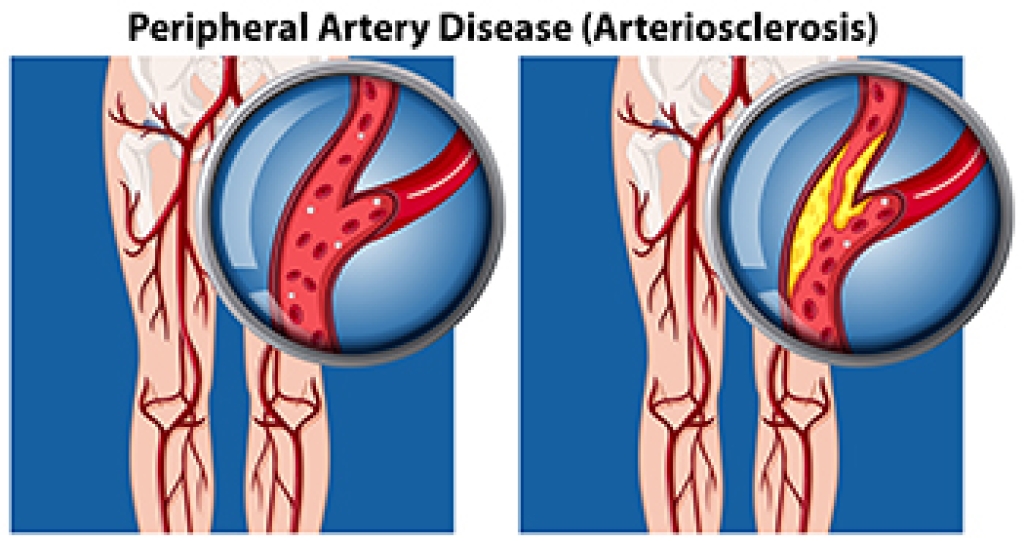
Peripheral artery disease (PAD) is when arteries are constricted due to plaque (fatty deposits) build-up. This results in less blood flow to the legs and other extremities. The main cause of PAD is atherosclerosis, in which plaque builds up in the arteries.

Symptoms

Symptoms of PAD include:

  • Claudication (leg pain from walking)
  • Numbness in legs
  • Decrease in growth of leg hair and toenails
  • Paleness of the skin
  • Erectile dysfunction
  • Sores and wounds on legs and feet that won’t heal
  • Coldness in one leg

It is important to note that a majority of individuals never show any symptoms of PAD.

Diagnosis

While PAD occurs in the legs and arteries, Podiatrists can diagnose PAD. Podiatrists utilize a test called an ankle-brachial index (ABI). An ABI test compares blood pressure in your arm to you ankle to see if any abnormality occurs. Ultrasound and imaging devices may also be used.

Treatment

Fortunately, lifestyle changes such as maintaining a healthy diet, exercising, managing cholesterol and blood sugar levels, and quitting smoking, can all treat PAD. Medications that prevent clots from occurring can be prescribed. Finally, in some cases, surgery may be recommended.

If you have any questions, please feel free to contact our office located in Littleton, CO . We offer the newest diagnostic and treatment technologies for all your foot care needs.

Read more about Peripheral Artery Disease

Connect With Us

scroll to top