Peripheral Arterial Disease and Protecting Your Circulation

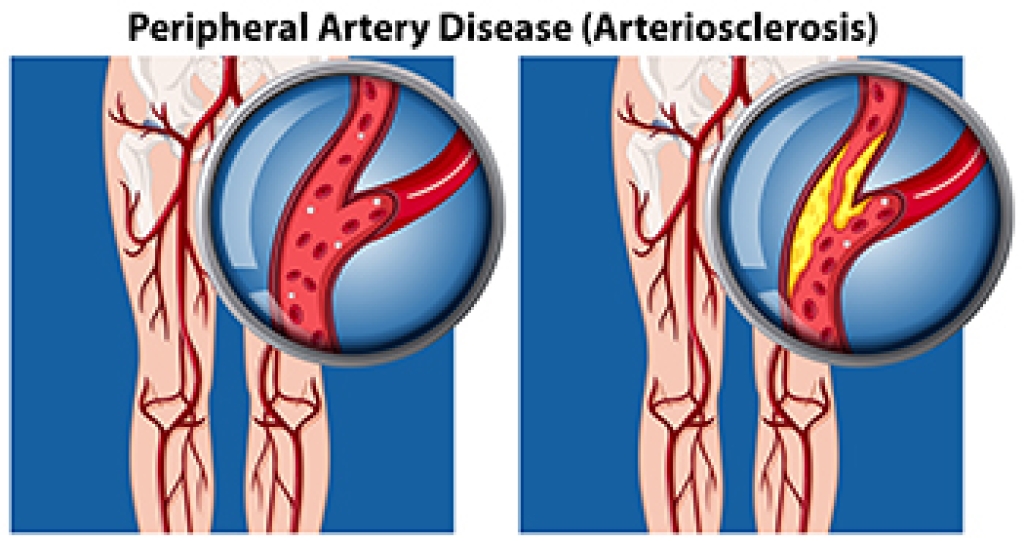
Peripheral arterial disease, also known as PAD, is a circulatory condition in which narrowed arteries reduce blood flow to the limbs, most often the legs and feet. It commonly develops due to a buildup of fatty deposits within the arteries. The ankle brachial index is a simple noninvasive test that compares blood pressure in the ankle to blood pressure in the arm to assess circulation and detect blockage. Symptoms include leg pain while walking, cramping, numbness, slow healing wounds, or cold feet. Risk factors include smoking, diabetes, high blood pressure, and high cholesterol. A podiatrist can perform vascular assessments, monitor foot health, and recommend appropriate treatment. If you have symptoms of PAD, it is suggested that you consult a podiatrist who can help determine whether you have this condition and provide treatment.

Peripheral artery disease can pose a serious risk to your health. It can increase the risk of stroke and heart attack. If you have symptoms of peripheral artery disease, consult with Keleigh Muxlow, DPM from Colorado. Our doctor will assess your condition and provide you with quality foot and ankle treatment.

Peripheral artery disease (PAD) is when arteries are constricted due to plaque (fatty deposits) build-up. This results in less blood flow to the legs and other extremities. The main cause of PAD is atherosclerosis, in which plaque builds up in the arteries.

Symptoms

Symptoms of PAD include:

  • Claudication (leg pain from walking)
  • Numbness in legs
  • Decrease in growth of leg hair and toenails
  • Paleness of the skin
  • Erectile dysfunction
  • Sores and wounds on legs and feet that won’t heal
  • Coldness in one leg

It is important to note that a majority of individuals never show any symptoms of PAD.

Diagnosis

While PAD occurs in the legs and arteries, Podiatrists can diagnose PAD. Podiatrists utilize a test called an ankle-brachial index (ABI). An ABI test compares blood pressure in your arm to you ankle to see if any abnormality occurs. Ultrasound and imaging devices may also be used.

Treatment

Fortunately, lifestyle changes such as maintaining a healthy diet, exercising, managing cholesterol and blood sugar levels, and quitting smoking, can all treat PAD. Medications that prevent clots from occurring can be prescribed. Finally, in some cases, surgery may be recommended.

If you have any questions, please feel free to contact our office located in Littleton, CO . We offer the newest diagnostic and treatment technologies for all your foot care needs.
Read more about Peripheral Artery Disease

Types of Athlete’s Foot

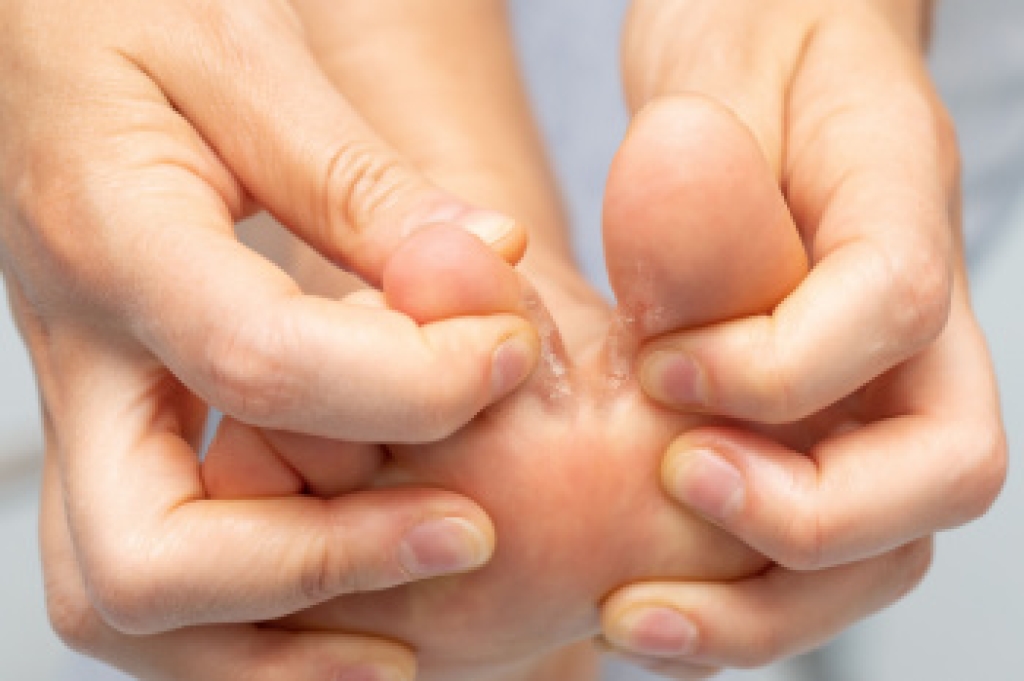
Athlete’s foot is a fungal skin infection caused by dermatophytes that thrive in warm, moist environments. It often develops after walking barefoot in public areas or wearing damp shoes for extended periods of time. Symptoms include itching, burning, redness, cracking skin, and sometimes blistering. The toe web type of infection affects the spaces between the toes, causing soggy, irritated skin, while the moccasin type appears as dry, scaly skin along the soles and sides of the feet. Risk factors include excessive sweating, wearing tight footwear, poor hygiene, and weakened immunity. A podiatrist can accurately diagnose the infection, prescribe targeted antifungal treatment, and provide guidance to prevent recurrence. If you have symptoms of athlete’s foot, it is suggested that you consult a podiatrist who can offer effective treatment solutions, which may include prescribed medication.

Athlete’s foot is an inconvenient condition that can be easily reduced with the proper treatment. If you have any concerns about your feet and ankles, contact Keleigh Muxlow, DPM from Colorado.  Our doctor will treat your foot and ankle needs.

Athlete’s Foot: The Sole Story

Athlete's foot, also known as tinea pedis, can be an extremely contagious foot infection. It is commonly contracted in public changing areas and bathrooms, dormitory style living quarters, around locker rooms and public swimming pools, or anywhere your feet often come into contact with other people.

Solutions to Combat Athlete’s Foot

  • Hydrate your feet by using lotion
  • Exfoliate
  • Buff off nails
  • Use of anti-fungal products
  • Examine your feet and visit your doctor if any suspicious blisters or cuts develop

Athlete’s foot can cause many irritating symptoms such as dry and flaking skin, itching, and redness. Some more severe symptoms can include bleeding and cracked skin, intense itching and burning, and even pain when walking. In the worst cases, Athlete’s foot can cause blistering as well. Speak to your podiatrist for a better understanding of the different causes of Athlete’s foot, as well as help in determining which treatment options are best for you.

If you have any questions please feel free to contact our office located in Littleton, CO . We offer the newest diagnostic and treatment technologies for all your foot and ankle needs.

Read more about Athlete's Foot

When the Feet Begin to Swell

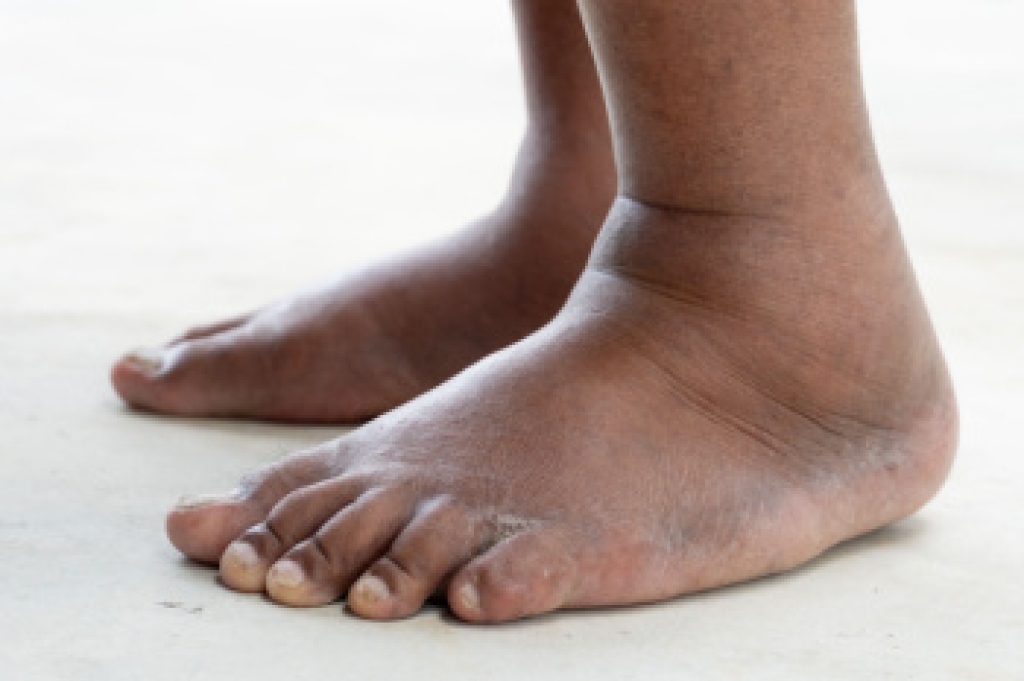
Swelling of the feet, also known as edema, occurs when excess fluid collects in the tissues. It is often caused by prolonged standing or sitting, injury, pregnancy, or underlying medical conditions, such as heart, kidney, or circulation problems. Symptoms include puffiness or tightness and discomfort that worsens as the day progresses. The feet may look enlarged or shiny, and pressing on the skin can leave a temporary indentation. Swelling can feel achy, stiff, or tender, and may limit mobility or make shoes feel tight. A podiatrist can help by starting with a detailed evaluation of the feet, circulation, and medical history, sometimes using diagnostic testing to determine the cause. Treatment may include lifestyle modifications, compression support, targeted exercises to improve circulation, and management of contributing conditions. Early care helps prevent complications and maintains foot health. If you have swollen feet, it is suggested that you schedule an appointment with a podiatrist for effective relief and management tips.

Swollen feet can be a sign of an underlying condition. If you have any concerns, contact Keleigh Muxlow, DPM of Colorado. Our doctor can provide the care you need to keep you pain-free and on your feet.

Swollen feet are a common ailment among pregnant women and people who stand or sit for extended periods. Aging may increase the possibility of swollen feet and patients who are obese often notice when their feet are swelling too. There may be medical reasons why swollen feet occur:

  • Phlebitis - A condition that causes the veins to become inflamed and can also cause leg pain.
  • Liver disease - This may lead to low blood levels of albumin which is a protein. This can cause fluid in the blood to pass into the tissues and several areas of the body can become swollen.
  • Heart failure - When the heart doesn’t pump properly the blood that is normally pumped back to the heart can pool in the veins of the legs causing swollen feet.
  • Kidney disease - One of the main functions of the kidneys is releasing excess fluid in the body. This type of condition can make it difficult for the kidneys to function properly, and as a result the feet may become swollen.
  • Deep-vein thrombosis (DVT)- This is a serious condition where blood clots form in the veins of the legs. They can block the return of blood from the legs to the heart which may cause the feet to swell. It is important to be treated by a podiatrist if this condition is present.

Swollen feet can also be caused by bone and tendon conditions, including fractures, arthritis, and tendinitis. Additionally, there may be skin and toenail conditions and an infection may cause the feet to swell. Patients who take medicine to treat high blood pressure may be prone to getting swollen feet. 

Many patients elevate their feet to help relieve the swelling and this is generally a temporary remedy. When a podiatrist is consulted the reason behind the swelling can be uncovered and subsequently treated.

If you have any questions please contact our office located in Littleton, CO . We offer the newest diagnostic and treatment technologies for all your foot and ankle needs.

Read more about Swelling of the Feet

Foot Anatomy and How It Supports Your Body

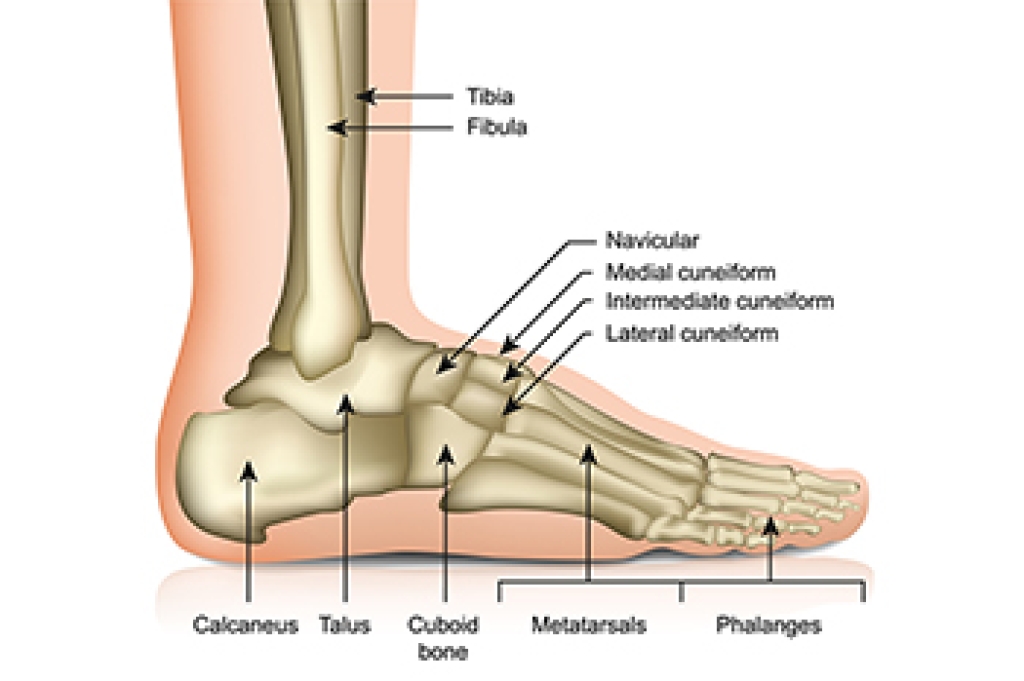
The complex structure of the foot is designed to support body weight and allow smooth movement while standing and walking. It contains 26 bones that work together to provide strength, balance, and flexibility. The tarsal bones form the rearfoot and ankle, creating a stable foundation, and help to absorb impact. The metatarsals make up the midfoot and act as supportive beams that distribute weight across the foot during standing and motion. Additionally, the phalanges are the toe bones, which assist with balance and push off during walking. When these bones are not functioning properly, pain and instability can occur. A podiatrist can evaluate foot anatomy, diagnose problems, and create treatment plans to restore proper function. If you have foot pain, it is suggested that you consult a podiatrist who can provide an accurate diagnosis and proper treatment.

If you have any concerns about your feet, contact Keleigh Muxlow, DPM from Colorado. Our doctor can provide the care you need to keep you pain-free and on your feet.

Biomechanics in Podiatry

Podiatric biomechanics is a particular sector of specialty podiatry with licensed practitioners who are trained to diagnose and treat conditions affecting the foot, ankle and lower leg. Biomechanics deals with the forces that act against the body, causing an interference with the biological structures. It focuses on the movement of the ankle, the foot and the forces that interact with them.

A History of Biomechanics

  • Biomechanics dates back to the BC era in Egypt where evidence of professional foot care has been recorded.
  • In 1974, biomechanics gained a higher profile from the studies of Merton Root, who claimed that by changing or controlling the forces between the ankle and the foot, corrections or conditions could be implemented to gain strength and coordination in the area.

Modern technological improvements are based on past theories and therapeutic processes that provide a better understanding of podiatric concepts for biomechanics. Computers can provide accurate information about the forces and patterns of the feet and lower legs.

Understanding biomechanics of the feet can help improve and eliminate pain, stopping further stress to the foot.

If you have any questions please feel free to contact our office located in Littleton, CO . We offer the newest diagnostic and treatment technologies for all your foot and ankle needs.

Read more about The Importance of Biomechanics in Podiatry

Heel Pain Can Be Treated!

Do you suffer from heel pain when you get up in the morning? If so, you should seek professional help and have a proper diagnosis performed. Heel pain can be caused by several different foot-related conditions.

Connect With Us

scroll to top