Connect With Us
Blog
Items filtered by date: January 2026
Tuesday, 27 January 2026 00:00
When Growing Feet Start to Hurt
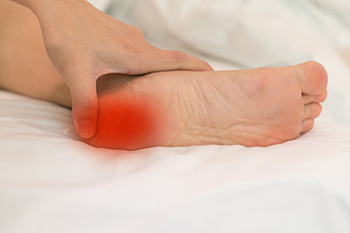
Sever’s disease is a common cause of heel pain in growing children and adolescents, especially those who are active in sports. It occurs when the growth plate in the heel becomes irritated from repetitive stress. The heel may look slightly swollen or red, and children often limp or walk on their toes to avoid pressure. It typically feels like aching or sharp pain at the back or bottom of the heel, which worsens with running, jumping, or prolonged activity and improves with rest. Causes include rapid growth, tight calf muscles, and high-impact activities. A podiatrist can help from the start by evaluating foot structure, gait, and activity levels, and confirming the diagnosis through examination and imaging when needed. Treatment often begins with activity modification, heel support, and inflammation management. Care can then progress into custom orthotics and footwear guidance to relieve stress on the heel. It is suggested that if your growing child is experiencing ongoing heel pain, you make an appointment with a podiatrist.
Sever's disease often occurs in children and teens. If your child is experiencing foot or ankle pain, see Keleigh Muxlow, DPM from Colorado. Our doctor can treat your child’s foot and ankle needs.
Sever’s Disease
Sever’s disease is also known as calcaneal apophysitis, which is a medical condition that causes heel pain I none or both feet. The disease is known to affect children between the ages of 8 and 14.
Sever’s disease occurs when part of the child’s heel known as the growth plate (calcaneal epiphysis) is attached to the Achilles tendon. This area can suffer injury when the muscles and tendons of the growing foot do not keep pace with bone growth. Therefore, the constant pain which one experiences at the back of the heel will make the child unable to put any weight on the heel. The child is then forced to walk on their toes.
Symptoms
Acute pain – Pain associated with Sever’s disease is usually felt in the heel when the child engages in physical activity such as walking, jumping and or running.
Highly active – Children who are very active are among the most susceptible in experiencing Sever’s disease, because of the stress and tension placed on their feet.
If you have any questions, please feel free to contact our office located in Littleton, CO . We offer the newest diagnostic and treatment technologies for all your foot care needs.
Tuesday, 20 January 2026 00:00
Exploring the Ponseti Method of Treating Clubfoot
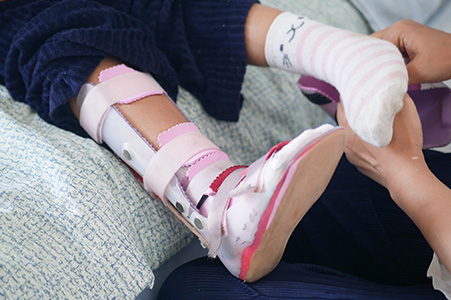
The Ponseti method is a nonoperative approach used to correct clubfoot by gradually guiding an infant’s foot into a healthier position. Clubfoot causes the foot to turn inward and downward, and the method works by gently adjusting the foot over a series of casts before a brace is used to help maintain alignment. Later in the process, the term equinus is introduced to describe when the heel is pulled downward, which the Ponseti method helps address. This approach has replaced more invasive options like surgery for early correction, and it has shown success even in more complex cases. A podiatrist can help by monitoring the foot’s alignment, guiding each step of the casting plan, and identifying early signs of relapse so long-term progress is protected. If your infant exhibits clubfoot symptoms it is suggested that you consult a podiatrist for an exam and treatment.
Congenital foot problems require immediate attention to avoid future complications. If you have any concerns, contact Keleigh Muxlow, DPM of Colorado. Our doctor can provide the care you need to keep you pain-free and on your feet.
Congenital foot problems are deformities affecting the feet, toes, and/or ankles that children are born with. Some of these conditions have a genetic cause while others just happen. Some specific foot ailments that children may be born with include clubfeet, polydactyly/macrodactyly, and cleft foot. There are several other foot anomalies that can occur congenitally. What all of these conditions have in common is that a child may experience difficulty walking or performing everyday activities, as well as trouble finding footwear that fits their foot deformity. Some of these conditions are more serious than others. Consulting with a podiatrist as early as possible will help in properly diagnosing a child’s foot condition while getting the necessary treatment underway.
What are Causes of Congenital Foot Problem?
A congenital foot problem is one that happens to a child at birth. These conditions can be caused by a genetic predisposition, developmental or positional abnormalities during gestation, or with no known cause.
What are Symptoms of Congenital Foot Problems?
Symptoms vary by the congenital condition. Symptoms may consist of the following:
- Clubfoot, where tendons are shortened, bones are shaped differently, and the Achilles tendon is tight, causing the foot to point in and down. It is also possible for the soles of the feet to face each other.
- Polydactyly, which usually consists of a nubbin or small lump of tissue without a bone, a toe that is partially formed but has no joints, or an extra toe.
- Vertical talus, where the talus bone forms in the wrong position causing other bones in the foot to line up improperly, the front of the foot to point up, and the bottom of the foot to stiffen, with no arch, and to curve out.
- Tarsal coalition, when there is an abnormal connection of two or more bones in the foot leading to severe, rigid flatfoot.
- Cleft foot, where there are missing toes, a V-shaped cleft, and other anatomical differences.
- Macrodactyly, when the toes are abnormally large due to overgrowth of the underlying bone or soft tissue.
Treatment and Prevention
While there is nothing one can do to prevent congenital foot problems, raising awareness and receiving neonatal screenings are important. Early detection by taking your child to a podiatrist leads to the best outcome possible.
If you have any questions, please feel free to contact our office located in Littleton, CO . We offer the newest diagnostic and treatment technologies for all your foot care needs.
Wednesday, 14 January 2026 00:00
Wounds That Don't Heal Need to Be Checked
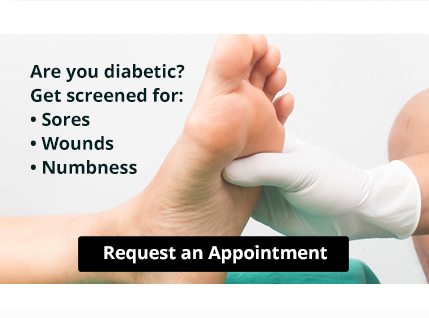
Your feet are covered most of the day. If you're diabetic, periodic screening is important for good health. Numbness is often a sign of diabetic foot and can mask a sore or wound.
Tuesday, 13 January 2026 00:00
Taking Care of Your Diabetic Feet
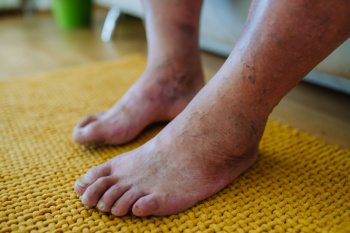
Taking care of diabetic feet is essential because diabetes can affect circulation, nerve sensation, and skin health. Diabetic feet may look dry, cracked, or swollen, and can develop calluses, wounds, or nail changes. They may feel numb, unusually cold, or painful, making injuries harder to notice. Reduced sensation and poor blood flow increase the risk of infection and slow healing. A podiatrist can help from the start by performing a thorough foot examination, checking circulation and nerve function, and identifying early warning signs. Diagnosis may include sensory testing, skin assessment, and nail evaluation. Treatment focuses on regular foot care, safe callus and nail management, and wound prevention. If ulcers or infections develop, prompt podiatric treatment supports healing and reduces serious complications. Ongoing care helps protect mobility, comfort, and independence. It is suggested that you are under the care of a podiatrist if you have diabetes-related foot complications.
Diabetic foot care is important in preventing foot ailments such as ulcers. If you are suffering from diabetes or have any other concerns about your feet, contact Keleigh Muxlow, DPM from Colorado. Our doctor can provide the care you need to keep you pain-free and on your feet.
Diabetic Foot Care
Diabetes affects millions of people every year. The condition can damage blood vessels in many parts of the body, especially the feet. Because of this, taking care of your feet is essential if you have diabetes, and having a podiatrist help monitor your foot health is highly recommended.
The Importance of Caring for Your Feet
- Routinely inspect your feet for bruises or sores.
- Wear socks that fit your feet comfortably.
- Wear comfortable shoes that provide adequate support.
Patients with diabetes should have their doctor monitor their blood levels, as blood sugar levels play such a huge role in diabetic care. Monitoring these levels on a regular basis is highly advised.
It is always best to inform your healthcare professional of any concerns you may have regarding your feet, especially for diabetic patients. Early treatment and routine foot examinations are keys to maintaining proper health, especially because severe complications can arise if proper treatment is not applied.
If you have any questions, please feel free to contact our office located in Littleton, CO . We offer the newest diagnostic and treatment technologies for all your foot care needs.
Tuesday, 06 January 2026 00:00
Foot Problems in Overweight Women
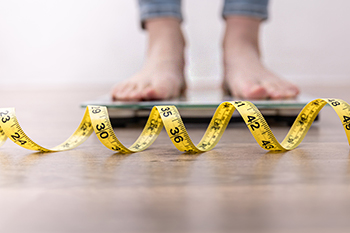
Being overweight places extra stress on the feet with every step, and women can be especially affected as they get older. Added body weight increases pressure on foot joints, soft tissues, and the heel, which can lead to soreness, stiffness, or swelling. Pain often develops in areas that carry the greatest load, such as the ankles, midfoot, and toes. Wearing shoes with inadequate support, spending long hours standing, and wearing flip-flops can increase strain. Extra body weight can also change gait, causing the arch to flatten and increasing the pull on ligaments and tendons. This can interfere with walking and limit activity, creating a cycle where discomfort makes movement harder. A podiatrist can evaluate the feet, recommend better shoe choices, prescribe orthotics, or discuss additional treatment options. If you are experiencing foot pain linked to your weight, it is suggested that you schedule an appointment with a podiatrist for a diagnosis and safe treatment.
Obesity has become very problematic at this point in time and can have extremely negative effects on the feet. If you’re an obese individual and are concerned about your feet, contact Keleigh Muxlow, DPM from Colorado. Our doctor can provide the care you need to keep you pain-free and on your feet.
Obesity and Your Feet
Since your feet are what support your entire weight when standing, any additional weight can result in pain and swelling. Being overweight is one of the main contributors to foot complications.
Problems & Complications
Extra Weight – Even putting on just a few extra pounds could create serious complications for your feet. As your weight increases, your balance and body will shift, creating new stresses on your feet. This uneven weight distribution can cause pain, even while doing the simplest tasks, such as walking.
Diabetes – People who are overweight are at serious risk of developing type-2 diabetes, which has a drastic impact on the health of your feet. As you get older, your diabetes might worsen, which could lead to loss of feeling in your feet, sores, and bruises. You could also become more prone to various infections.
Plantar fasciitis – Pressure and stress that is placed on muscles, joints, and tendons can trigger plantar fasciitis, which is an inflammation of tissue that forms along the bottom of the foot.
If you have any questions, please feel free to contact our office located in Littleton, CO . We offer the newest diagnostic and treatment technologies for all your foot care needs.
